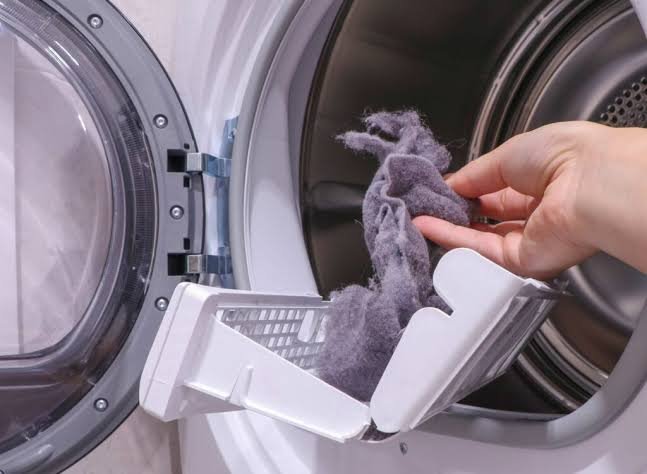
Every year, thousands of homeowners experience sudden appliance breakdowns, unexplained spikes in electric bills, or disastrous house fires due to a single neglected household component: the dryer exhaust vent system. While most people remember to empty the lint screen on their clothes dryer after every load, very few realize that fine fibers escape past the primary filter during every cycle. Over time, these tiny particles coat the interior walls of the exhaust pipe, creating dense blockages that choke air movement, strain internal mechanical parts, and present a severe fire risk.
Understanding how your dryer exhaust works, recognizing the signs of dangerous lint build-up, and knowing when to seek professional maintenance will protect your home, extend the life of your appliances, and save money on monthly utility costs.
How Your Dryer Exhaust System Functions
To understand why clear ventilation channels are critical, it helps to understand how a modern clothes dryer operates. Whether powered by gas or electricity, a dryer relies on three primary elements to process wet laundry: heat, mechanical tumbling, and continuous airflow.
When a cycle begins, internal heating elements warm the air drawn into the cabinet. The heavy, moist air created as water evaporates from wet clothing must be quickly expelled from the appliance to make room for fresh, dry air. The internal blower motor pushes this hot, moisture-laden air through an exhaust tube out through a wall or roof cap on the exterior of your home.
When this exhaust path remains clear, heat and moisture escape effortlessly. However, when lint builds up inside the piping, air movement slows down significantly. Instead of escaping outside, hot moisture gets trapped inside the drum, forcing the heating element to work continuously while wet clothes sit in a humid chamber.
The Hidden Dangers of Neglected Exhaust Channels
A clogged vent creates multiple severe hazards within a residential space, affecting home safety, appliance longevity, and monthly energy expenses.
Structural Fire Risk
Lint consists of highly flammable fabric fibers, including cotton, polyester, and wool. When trapped inside a narrow metal tube exposed to internal operating temperatures reaching up to 150 degrees Fahrenheit, dense lint accumulations can easily ignite. According to national fire safety organizations, neglected dryer vents represent a leading cause of residential structure fires annually.
Carbon Monoxide Hazards in Gas Units
For homes operating gas-powered dryers, a clear exhaust line is an essential safety requirement. Gas appliances generate carbon monoxide as a natural byproduct of combustion. If the exhaust line becomes blocked by lint or outdoor debris like bird nests, dangerous carbon monoxide fumes can back up into living areas instead of venting safely outdoors.
Premature Appliance Failure
When restricted airflow prevents hot air from exiting, internal dryer components operate under extreme heat and mechanical stress. Drive belts, thermal fuses, heating elements, and blower motors overheat and fail long before their expected operational lifespan. Replacing internal electrical parts or buying a new appliance is far more expensive than maintaining clear exhaust lines.
Skyrocketing Monthly Energy Bills
A dryer operating with a clogged exhaust path often requires two or three 60-minute cycles to dry a single load of towels or heavy denim. Running a 3,000-watt to 5,000-watt appliance for multiple consecutive cycles wastes massive amounts of electricity or natural gas, adding substantial unnecessary costs to household utility statements over the course of a year.
Telltale Signs Your Exhaust Path Is Blocked
Recognizing early warning signs allows you to address vent blockages before severe damage or safety hazards occur. Pay close attention to these common indicators of restricted airflow:
- Extended Drying Cycles: Laundry that used to dry in 45 minutes now remains damp after a full hour-long cycle.
- Excessive Heat in the Laundry Room: The room housing the appliance feels uncomfortably hot, humid, or sticky while the unit operates.
- Hot Clothes, Cold Drum: Clothing feels burning hot to the touch at the end of a cycle, yet remains damp because moisture could not escape.
- Missing Lint on the Primary Screen: Unusually small amounts of lint collect on the removable screen, indicating that backpressure is pushing lint into internal cabinet cavities.
- Musty Odors on Clean Clothes: Damp laundry sits in trapped steam for extended periods, leaving behind a persistent stale smell on fabrics.
- External Vent Flap Inactivity: The exterior exhaust hood flap on the outside wall stays closed or barely flutters open while the appliance runs.
The Value of Professional Exhaust Cleaning
While removing surface lint from the external hood is helpful, complete system maintenance requires specialized equipment capable of reaching deep inside hidden wall cavities and roof lines. Professional services utilize rotary brush systems, high-pressure air whips, and commercial-grade negative pressure vacuums to dislodge stubborn, compacted lint from rigid or semi-rigid metal tubing.
When scheduling routine home safety maintenance, investing in professional SafeFlow dryer vent cleaningensures that all flammable debris, nesting materials, and moisture restrictions are completely extracted from the entire length of your ductwork.
A thorough service visit covers every critical junction in the air path:
Technicians begin by disconnecting the flexible transition hose behind the unit to inspect for crushed or kinked piping. Next, long flexible rods equipped with rotating nylon brushes pass through the entire exhaust line, breaking up packed lint blocks without puncturing duct walls. Simultaneously, powerful suction systems catch dislodged particles, preventing dust from blowing into your living quarters or outdoor landscaping. Finally, technicians verify airflow velocity at the exterior termination hood to confirm optimal performance.
Best Practices for Maintaining Safe Airflow
Beyond annual professional cleanings, daily operational habits help keep your appliance running smoothly and safely between service intervals.
- Clean the Removable Screen After Every Load: Never run a cycle without clearing the lint trap first. A clean screen permits maximum initial airflow and keeps heavy debris out of internal ducts.
- Use Rigid Metal Transition Hose: Replace dangerous vinyl or foil accordion hoses behind the unit with smooth, semi-rigid or rigid aluminum ducting, which resists crushing and minimizes lint trap points.
- Keep the Area Around the Dryer Clear: Avoid storing boxes, laundry baskets, cleaning chemicals, or clothing piles around the appliance, ensuring proper room air intake.
- Inspect the Exterior Vent Hood Monthly: Verify that the outside flap opens freely when the dryer runs and clear away grass clippings, leaves, or snow accumulation around the opening.
By combining proper day-to-day habits with periodic professional maintenance, you protect your family from fire risks, cut down energy costs, and ensure your home appliances operate at peak efficiency for years to come.