There’s a moment most homeowners can relate to—you notice something small, almost forgettable. Maybe it’s a faint stain on the ceiling or a loose shingle after a windy day. Nothing urgent, nothing alarming. Just a detail.
But here’s the thing about roofs—they rarely jump straight into big failures. They whisper first.
And if you listen closely, those whispers can save you a lot of trouble.
The Small Clues You’re Not Supposed to Ignore
Roofs don’t fail overnight. They wear down gradually, quietly, often in ways that are easy to overlook.
A bit of discoloration. A slightly uneven patch. Water that takes a little longer to drain after rain. These are the kinds of roof problems that blend into everyday life.
You notice them, maybe make a mental note, and then move on.
But over time, those small signs tend to connect. And when they do, they start telling a clearer story—one that’s harder to ignore.
What Usually Goes Wrong First
Most issues begin in predictable places. Edges, corners, and areas around vents or chimneys—these are the spots where stress builds up.
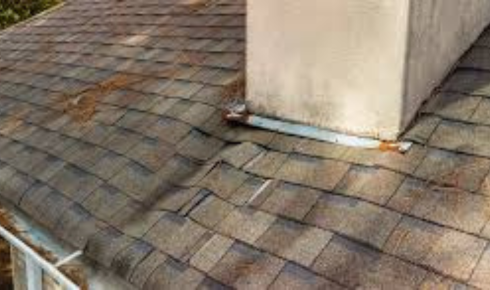
That’s why so many homeowners run into common roof problems like cracked flashing, missing shingles, or minor leaks. These aren’t dramatic failures. They’re just the natural result of weather, time, and wear.
Sun exposure dries materials out. Rain finds its way into tiny gaps. Wind tests everything that isn’t securely fastened.
It’s not about something going wrong—it’s about something slowly changing.
When “Minor” Doesn’t Stay Minor
One of the tricky things about roofs is how forgiving they seem at first.
A small leak doesn’t flood your home immediately. A missing shingle doesn’t collapse the structure. Everything continues to function… for a while.
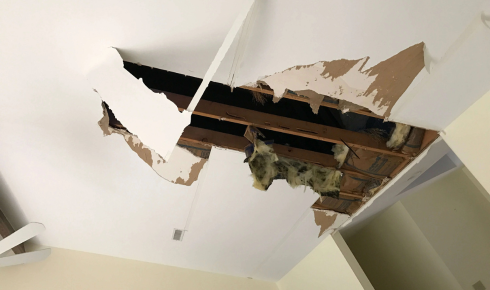
But water is patient. It seeps, spreads, and settles in places you can’t see. And what starts as a surface issue can gradually affect insulation, wood, and even the structure beneath.
That’s when roofing problems stop being surface-level and start becoming something deeper.
And by that point, the solution is rarely as simple as it once could have been.
The Role of Weather in Everything
If roofs had a personality, they’d probably be stubborn—but even they have limits.
Weather plays a huge role in how roofs age. Heavy rains, intense heat, freezing temperatures—all of it adds pressure. Over time, materials expand, contract, weaken.
Storms, especially, can speed things up. A single rough night can loosen what’s been holding strong for years.
That’s why it’s always worth taking a look after extreme weather. Not because something definitely broke, but because it might have shifted just enough to matter later.
The Quiet Cost of Waiting
Here’s where most people get caught off guard—not by the problem itself, but by the timing.
Roof issues don’t usually demand immediate action. They sit there, manageable, easy to live with. So you wait.
And waiting feels reasonable… until it isn’t.
What could have been a quick repair turns into a bigger job. What seemed like a cosmetic issue starts affecting other parts of your home.
It’s not about fear. It’s about understanding how these things progress.
What a Healthy Roof Actually Feels Like
When a roof is in good shape, you don’t notice it. That’s the goal.
No unexpected sounds during storms. No water stains. No second-guessing when the weather changes. It just works.
There’s a kind of quiet confidence that comes with that. You trust your home a little more. You don’t worry about what’s happening above you.
And honestly, that peace of mind is worth more than most people realize.
A More Realistic Way to Stay Ahead
You don’t need to become a roofing expert. You don’t need to inspect every inch of your roof regularly.
But a little awareness goes a long way.
Look for changes. Pay attention to signs inside your home—those often show up before anything is visible outside. And if something feels off, it’s okay to get a second opinion.
It’s not about overreacting. It’s about staying a step ahead of things.
Ending With a Simple Truth
Roofs don’t ask for much. They handle pressure, absorb impact, and protect everything beneath them without complaint.
But every now and then, they send signals.
Not loud ones. Not urgent ones. Just enough to let you know something’s changing.
And when you catch those signals early, you’re not just fixing a roof—you’re protecting everything that depends on it.
Sometimes, all it takes is paying attention before the whisper becomes something louder.