
There’s a strange moment many homeowners experience — not dramatic, not obvious, just a slow realization that something about their water doesn’t feel quite right anymore. Maybe the kettle keeps getting those stubborn white stains. Maybe the soap doesn’t rinse off the same way. Or maybe the shower just feels a little harsher than it used to.
It’s never one big warning sign. It’s a collection of small annoyances that quietly build up until you finally notice them.
And once you do, it’s hard to unsee it.
The Everyday Reality of Hard Water
Most people don’t grow up thinking about what’s dissolved in their water. It’s just… water. You turn on the tap, fill a glass, and move on with your day.
But depending on where you live, that water can carry a surprising amount of minerals like calcium and magnesium. That’s what people usually refer to as hard water. It’s not harmful in most cases, but it can be incredibly inconvenient in daily life.
I remember visiting a relative in a semi-rural area where every tap seemed to have a faint white crust around it. The bathroom mirror always looked slightly foggy no matter how often it was cleaned. At the time, they just accepted it as normal. “That’s how water is here,” they’d say.
But it doesn’t have to be.
Hard water slowly affects everything it touches — pipes, appliances, even your skin and hair. It’s subtle damage, not dramatic failure. And that’s what makes it tricky to notice early.
Why So Many Homes Turn to Water Softening
At some point, many households reach the same conclusion: living with hard water is more effort than it’s worth.
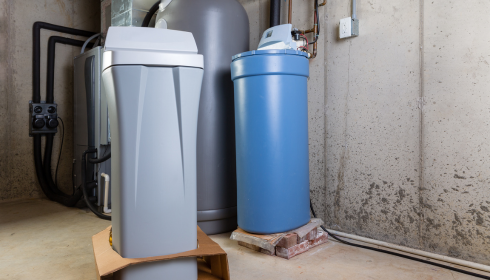
That’s where water softeners often come into the picture. They’re designed to reduce the mineral content in water, helping prevent scale buildup and improving how water behaves in everyday use.
The difference is surprisingly noticeable once installed. Soap starts to lather properly again. Glassware looks clearer. Showers feel less harsh on the skin. Even cleaning becomes a little less frustrating.
It’s not about turning water into something “luxury-level.” It’s more about bringing it back to a balanced, usable state.
And honestly, most people don’t realize how much they were tolerating until it changes.
Not Just Softer, But Smarter Water Handling
Water treatment has evolved a lot beyond basic softening. Modern households are now looking for more refined control over what comes through their taps.
That’s where water refiners enter the conversation. These systems go beyond just tackling hardness — they often help improve taste, clarity, and overall quality in a more holistic way.
What’s interesting is that people don’t usually start with the intention of “refining” their water. It begins with smaller frustrations. A slightly odd taste in drinking water. A film on freshly washed dishes. Or appliances wearing out faster than expected.
Over time, those small things push homeowners to look deeper into what their water actually contains. And once they do, they realize there’s more going on than they expected.
The Hidden Cost of Ignoring Water Quality
Water problems don’t usually announce themselves loudly. That’s part of the issue.
They work slowly in the background — scaling up inside kettles, reducing water heater efficiency, increasing detergent usage, and gradually wearing down plumbing systems.
At first, it feels like nothing serious. Maybe just a bit more cleaning. Maybe slightly higher electricity bills. But over time, these small inefficiencies start adding up in ways that are hard to ignore.
And the frustrating part? Most of it is preventable.
People often spend money upgrading visible parts of their home — kitchens, furniture, décor — while ignoring the invisible system running through every tap. It’s understandable, but a bit ironic when you think about it.
Why Water Feels Different After Improvement
There’s a very specific kind of relief people describe after improving their water quality. It’s not excitement. It’s not even noticeable in a dramatic way.
It’s more like… everything just works better.
Showers feel smoother. Clothes come out softer. Skin doesn’t feel as dry. Even simple things like making tea or coffee feel slightly improved, though it’s hard to explain exactly why.
The funny thing is, you don’t suddenly start thinking about water more. You think about it less.
And in a way, that’s the real goal.
Choosing What Actually Fits Your Home
One mistake people often make is assuming there’s a universal solution to water problems. There isn’t.
Some homes struggle mostly with hardness. Others deal with taste issues or sediment. Some have older plumbing that introduces its own complications.
That’s why understanding your own water situation matters more than blindly buying equipment based on ads or recommendations.
A simple water test can often reveal more than years of guessing. And once you know what you’re dealing with, choosing the right solution becomes much easier and less overwhelming.
A Quiet Upgrade That Affects Everything
Water improvements are not flashy. You don’t really “show them off” to guests. Nobody walks into your house and compliments your filtration system.
But they affect almost every part of daily life — in ways that feel small individually, but meaningful collectively.
Less cleaning. Better-tasting water. Longer-lasting appliances. A bit more comfort in everyday routines.
And maybe that’s what makes it worthwhile. Not the big transformation, but the steady reduction of small frustrations you stopped noticing because they’re no longer there.
Good water doesn’t try to impress you.
It just quietly makes everything easier.

