
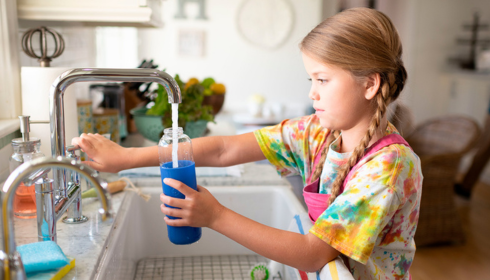
Most of us don’t think very much about water until something interrupts the routine. A sudden increase in the utility bill. A dry summer with watering restrictions. Maybe low pressure during a morning shower when everyone in the house is getting ready at once. Water has a funny way of blending into the background right up until the moment it doesn’t.
I started paying more attention to it after moving into an older home a few years ago. Nothing dramatic happened, honestly. But the monthly bills kept creeping upward, and somehow the garden always looked thirsty no matter how often we watered it. That’s when I realized how casually most households treat water without ever noticing how much gets wasted along the way.
The truth is, modern homes consume more water than people realize. And surprisingly, reducing waste doesn’t usually require huge sacrifices or complicated lifestyle changes.
Most Water Waste Happens Quietly
People tend to imagine water waste as something obvious — like a pipe bursting or a faucet left running all day. But in reality, the biggest losses are often slow, ordinary, and easy to ignore.
A dripping tap. An aging toilet valve. Overwatering the lawn by ten minutes every morning. Running half-empty dishwashers because everyone’s busy. These things seem tiny individually, but over weeks and months, they add up in ways most homeowners never calculate.
That’s why conversations around water usage have become more important recently. Not in a guilt-trip kind of way, but from a practical standpoint. Water costs money. Heating water costs energy. And inefficient plumbing quietly affects both household expenses and environmental impact.
Oddly enough, many families don’t notice how inefficient their home is until they start tracking it for a month or two.
Technology Has Improved More Than People Realize
There’s this outdated assumption that conserving water means inconvenience. Like taking painfully short showers or letting your lawn turn brown all summer. Thankfully, that’s not really how modern conservation works anymore.
New fixtures and appliances are far smarter than older models. High-efficiency dishwashers use less water while actually cleaning better. Low-flow showerheads no longer feel weak and disappointing the way early versions sometimes did. Even modern washing machines have become dramatically more efficient compared to what people used fifteen years ago.
The interesting thing is that many homeowners barely notice the transition after upgrading. Daily routines stay mostly the same, but bills gradually improve.
That’s the goal behind better water efficiency — maintaining comfort while reducing unnecessary waste in the background.
And honestly, once people start seeing the difference on monthly bills, they usually wish they’d upgraded sooner.
Outdoor Watering Is Often the Biggest Culprit
One of the more surprising discoveries for many homeowners is how much water disappears outdoors. Lawns, gardens, decorative landscaping, and sprinklers can easily become the largest source of household consumption, especially during warmer months.
I’ve seen neighbors water sidewalks more effectively than their actual grass. It happens constantly without people meaning to.
Simple adjustments can make a surprisingly large difference. Watering earlier in the morning reduces evaporation. Drip irrigation targets plant roots more directly. Choosing native plants often lowers watering needs entirely because they’re already adapted to local climate conditions.
None of this sounds revolutionary on paper, but together, these small shifts create meaningful water saving results over time.
And the nice thing is, efficient landscaping doesn’t have to look dull or lifeless. Some of the most beautiful gardens I’ve seen actually use less water because they were designed thoughtfully from the beginning.
Leaks Cost More Than Most People Think
Tiny leaks are sneaky. A faucet drip seems harmless because the sound becomes background noise after a while. But even minor leaks can waste hundreds or thousands of gallons over the course of a year.
Toilets are especially tricky because silent leaks often go unnoticed for months. Many homeowners only discover the problem after unexpectedly high utility bills.
One easy trick is checking your water meter before bed and again first thing in the morning without using any water overnight. If the reading changes, there’s likely a hidden leak somewhere.
It’s not exactly exciting homeownership advice, I know. But catching these issues early saves both water and repair costs later.
Small Changes Tend to Stick Better
People often fail at conservation because they try changing everything overnight. Huge lifestyle overhauls rarely last long. Smaller adjustments tend to become permanent because they feel manageable.
Turning off the tap while brushing teeth. Running full laundry loads. Replacing one inefficient fixture at a time. Paying attention to irrigation schedules.
These habits don’t require perfection. They just gradually create awareness.
And awareness matters more than most people realize.
Water Conservation Is Becoming Normal
What’s interesting lately is how mainstream conservation has become. It’s no longer viewed as something only environmental activists talk about. Families, businesses, and entire communities now see efficient water use as simple common sense.
Part of that comes from rising utility costs. Part comes from drought concerns in many regions. But I think another reason is that people genuinely want smarter homes now — homes that waste less without sacrificing comfort.
Water fits naturally into that mindset.
Final Thoughts
Most people won’t completely transform their water habits overnight, and honestly, they probably don’t need to. Meaningful conservation usually comes from small consistent choices rather than dramatic gestures.
Fixing leaks. Updating old appliances. Watering smarter. Paying a little more attention to daily routines.
None of it feels especially complicated once it becomes part of normal life.
And maybe that’s the bigger point. Using water more carefully isn’t really about restriction. It’s about awareness, efficiency, and appreciating something we rely on every single day without thinking much about it — until suddenly we have to.

