
There are certain things in a home you barely notice when they’re working properly. Hot water is probably near the top of that list. You wake up, turn on the shower, wash dishes after dinner, maybe run a load of laundry before bed — it all happens automatically, without much thought.
Then one morning the water turns cold halfway through your shower, and suddenly it becomes the most important thing in the house.
It’s funny how quickly comfort becomes visible once it disappears.
The truth is, hot water systems quietly shape daily life in ways most homeowners rarely consider. From energy bills to shower pressure to the simple feeling of relaxing after a long day, the type of system behind your walls matters more than people realize.
Why Hot Water Matters More Than We Admit
People often focus on visible home upgrades — kitchens, flooring, paint colors — but practical systems usually have a bigger impact on daily comfort. Reliable hot water changes how a home feels to live in.
Think about the routines connected to it. Morning showers before work. Cleaning greasy pans after cooking. Sanitizing clothes and towels. Even making tea or coffee feels easier when the system works consistently.
That’s why old or inefficient water heaters tend to become such a source of frustration. When recovery times slow down or temperatures fluctuate unexpectedly, you notice almost immediately.
I remember living in an apartment years ago where everyone avoided showering after 8 p.m. because the hot water tank couldn’t keep up. There was this unspoken race every evening to beat the cold water. At the time, it felt normal — until I moved somewhere with a better setup and realized how ridiculous that routine actually was.
Traditional Tanks Still Work Well for Many Homes
Storage tank systems have been around forever for a reason: they’re dependable and relatively straightforward. Water is heated and stored until someone needs it. Simple concept, honestly.
For many families, traditional units still make perfect sense. They’re generally easier to install, replacement costs are predictable, and plumbers know how to service them almost everywhere.
That said, older tanks can become less efficient over time, especially if sediment builds up inside. Mineral-heavy water tends to accelerate wear, forcing the system to work harder just to maintain temperature.
Some homeowners don’t notice the efficiency loss until energy bills slowly creep upward month after month.
Why More People Are Looking at Tankless Options
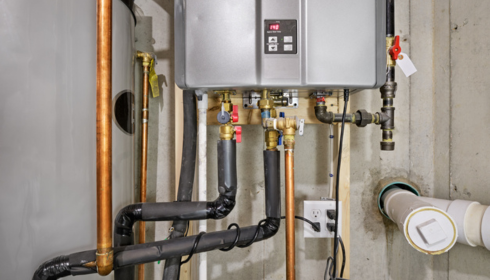
In recent years, the popularity of the tankless water heater has grown quite a bit, and it’s easy to understand why. Instead of storing hot water continuously, these systems heat water only when needed.
That means homeowners aren’t constantly paying to keep a giant tank hot all day long.
People also like the space-saving aspect. Tankless systems are compact, usually mounted on walls, and they can provide an almost endless stream of hot water when properly sized. For larger households, that’s a major selling point.
Of course, no system is perfect. Installation costs tend to be higher upfront, and older homes sometimes require electrical or gas line upgrades to support them properly. Some units also struggle if too many fixtures demand hot water simultaneously.
Still, for many people, the efficiency and convenience outweigh those concerns.
Gas vs. Electric: The Debate Never Really Ends
Choosing between electric and gas systems often depends on local utility costs, climate, and household usage patterns. There’s no universal “best” answer, no matter how aggressively salespeople try to simplify it.
A modern gas water heater can recover hot water quickly and often performs well in homes with heavier usage. In colder regions especially, gas systems sometimes maintain stronger performance during high-demand periods.
Electric models, on the other hand, are usually quieter and simpler to install. They also avoid combustion-related ventilation requirements, which can make installation easier in certain homes.
Honestly, the better option usually comes down to the specific house itself rather than broad internet opinions. A system that works brilliantly for one family may feel inefficient or oversized for another.
Small Maintenance Habits Make a Huge Difference
This part gets overlooked constantly.
Most people ignore their water heater until it fails completely, but a little maintenance can extend the life of the system quite a bit. Flushing sediment occasionally, checking pressure valves, and monitoring for leaks helps prevent bigger problems later.
It’s not glamorous work, obviously. Nobody brags about flushing a water heater on a Saturday afternoon. But compared to emergency plumbing costs or suddenly losing hot water in winter, it’s a pretty reasonable tradeoff.
One plumber I spoke with years ago said most water heater failures he sees could’ve been delayed significantly with even minimal maintenance. People just don’t think about it because the equipment stays hidden away in garages, closets, or basements.
Out of sight, out of mind.
Comfort at Home Is Built on Quiet Systems
The best parts of a home often work silently in the background. Heating, plumbing, hot water — they don’t demand attention when everything runs smoothly. But they create the foundation for everyday comfort.
Reliable hot water isn’t flashy. It won’t impress guests the way a remodeled kitchen might. Yet when it’s missing, the entire rhythm of a household changes immediately.
Maybe that’s why choosing the right system matters more than people initially think. It’s not just about technology or efficiency ratings. It’s about supporting the routines that shape ordinary life — morning showers, clean dishes, warm laundry, long evenings after exhausting days.
And honestly, those ordinary comforts are what make a house truly feel like home.

