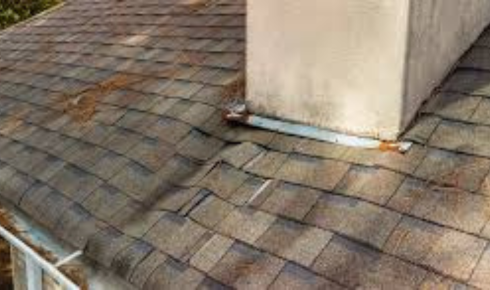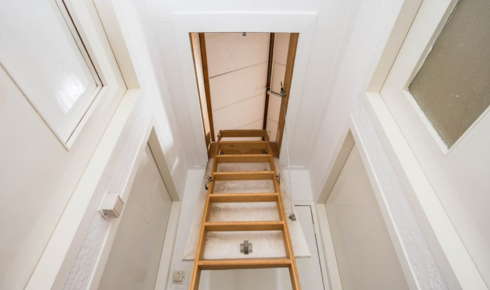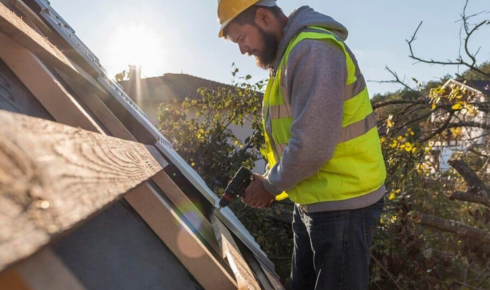
Inspecting a roof during dry weather makes it safer and easier to work, and also easier to repair immediately if something is found. Dry surfaces are less slippery, giving roofers better grip and reducing the risk of accidents. Tools, sealants and materials also perform better in stable, dry conditions.
Many repair products – like certain sealants, adhesives or coatings – need dry surfaces and a few rain-free hours to cure properly. If inspection happens in rain, even if problems are spotted, some fixes might have to wait, and temporary patches may not hold as well.
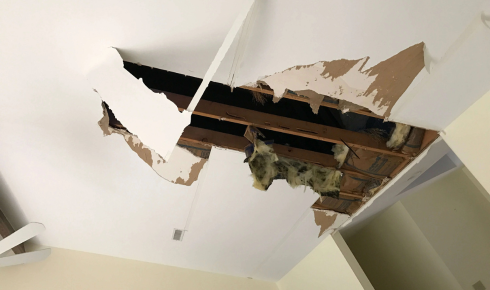
Dry weather also allows a clearer view of overall wear, not just wet patches. Roofers can still identify where water had been pooling or leaving marks without working under active rainfall.
You can always time inspections after the rainy season or between heavy spells, using past leaks or stains as a guide for where to look closely.