
Most people don’t spend much time thinking about the water running through their home. You turn on the shower, wash dishes, brew coffee, and move on with the day. Simple. But sometimes, little frustrations begin piling up quietly in the background. Towels feel rough after washing. Glassware comes out cloudy. Soap refuses to lather properly. Faucets collect chalky residue that somehow reappears almost immediately after cleaning.
For many households, these aren’t random annoyances at all. They’re signs of hard water.
And honestly, hard water is far more common than people realize.
Hard Water Has a Way of Sneaking Into Daily Routines
The thing about hard water is that it doesn’t usually create dramatic problems overnight. Instead, it slowly chips away at comfort and efficiency in subtle ways.
Minerals like calcium and magnesium naturally exist in groundwater across many regions. While they aren’t necessarily dangerous to drink, they can create headaches around the house over time. Skin may feel dry after showers. Laundry can lose softness. Appliances often become less efficient without homeowners fully understanding why.
A lot of people live with these issues for years assuming it’s normal.
Eventually though, the maintenance costs start adding up. Water heaters work harder. Pipes narrow slightly from mineral deposits. Dishwashers lose efficiency. Coffee makers clog faster than expected. It’s one of those situations where small issues quietly become expensive ones if ignored long enough.
Why Homeowners Are Paying More Attention
There’s been a noticeable shift lately in how homeowners approach water quality. People care more about long-term home maintenance now, especially with rising appliance costs and increasing awareness around household efficiency.
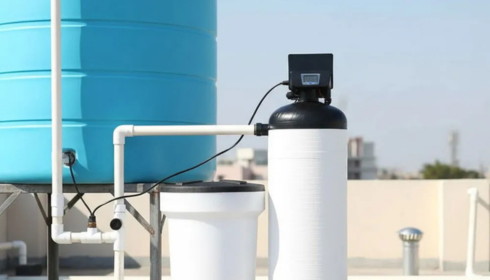
That’s partly why water softeners have become more common in both older homes and new construction projects. These systems help reduce the mineral content responsible for hard water, improving how water interacts with plumbing, appliances, and even skin and hair.
What surprises many people after installation is how quickly they notice small differences. Showers feel smoother. Soap works better. Dishes come out cleaner. Even morning coffee sometimes tastes slightly improved because mineral interference is reduced.
It’s not exactly a dramatic transformation like a home renovation show on television, but it’s one of those upgrades people quietly appreciate every single day afterward.
Softened Water Helps More Than Plumbing
A common misconception is that softeners only protect pipes and appliances. While that’s definitely important, the comfort side of softened water matters just as much for many families.
Anyone who has dealt with stiff laundry or itchy skin from hard water probably understands this already. Water quality directly affects everyday experiences that people rarely think about until they improve.
Modern residential water softeners are also far more efficient than older systems used decades ago. Many newer models use less salt, waste less water during regeneration cycles, and operate quietly in the background without constant attention.
Some homeowners even connect them with lower energy bills because water heaters don’t have to fight through mineral buildup to heat efficiently. The savings aren’t always massive overnight, but over several years, they can become pretty meaningful.
And honestly, fewer plumbing repairs alone often justify the investment for some families.
Mineral Buildup Causes More Damage Than Expected
One of the biggest hidden problems with hard water is scale buildup inside plumbing systems and appliances. The deposits form gradually, often completely unnoticed until performance starts declining.
Water heaters are especially vulnerable. Minerals settle inside tanks and around heating elements, reducing efficiency and forcing systems to work harder than necessary. The same thing happens inside dishwashers, washing machines, coffee makers, and even showerheads.
It’s a little like cholesterol building up in arteries — slow, mostly invisible, but eventually disruptive.
The frustrating part is that many people blame aging appliances without realizing hard water accelerated the wear significantly. Appliances exposed to untreated hard water often fail sooner simply because internal components deal with constant mineral exposure.
Maintenance Still Matters
Even with a water softener installed, homeowners shouldn’t completely forget about system maintenance. Salt levels need occasional monitoring, tanks require periodic cleaning, and water quality should still be tested from time to time.
Fortunately, most modern systems are fairly manageable. Some even include smart monitoring features that alert homeowners when maintenance is needed.
Still, people sometimes expect “set it and forget it” perfection, which rarely exists with any household system. Water treatment equipment works best when homeowners stay at least mildly attentive.
That doesn’t mean obsessing over it either. Just enough awareness to keep things running smoothly.
Water Quality Impacts More Than Comfort
There’s also a broader conversation happening around sustainability and resource efficiency. When appliances operate more efficiently and plumbing systems stay cleaner longer, homes generally waste less energy and require fewer replacements over time.
That matters financially, but it matters environmentally too.
Extending the lifespan of household systems reduces waste, lowers maintenance demands, and helps homeowners avoid unnecessary replacements. Sometimes improving water quality creates ripple effects people don’t initially expect.
And perhaps that’s why more families are finally viewing water treatment as practical home care instead of some optional luxury upgrade.
Final Thoughts
Hard water problems rarely arrive with flashing warning signs. They creep into daily life slowly through cloudy dishes, rough laundry, stubborn faucet stains, and aging appliances that seem to fail too soon.
But once homeowners understand what’s happening behind the scenes, solutions become much clearer.
Whether the goal is protecting plumbing, improving comfort, reducing maintenance costs, or simply enjoying cleaner-feeling water every day, addressing hard water can genuinely improve how a home functions. Not in an overly dramatic way — just in those quiet, consistent ways that make everyday routines feel a little easier.

