
Most people don’t notice their home’s water quality right away. It’s one of those background things you take for granted until small annoyances start stacking up. Soap doesn’t lather properly anymore. Your dishes come out of the dishwasher looking cloudy. The bathroom faucet develops stubborn white stains that somehow reappear two days after cleaning them.
At first, it feels random.
Then eventually someone mentions the phrase “hard water,” and suddenly everything starts making sense.
The truth is, millions of homes deal with mineral-heavy water every day, especially in areas where groundwater naturally carries high amounts of calcium and magnesium. It’s not usually dangerous, but living with it long term can become frustrating in ways people rarely expect.
The Little Signs Add Up Slowly
One of the strange things about hard water is that the effects build gradually. Nobody wakes up one morning shocked by mineral buildup. Instead, it’s a slow accumulation of tiny inconveniences that quietly become part of daily life.
Your showerhead clogs faster than it should. Towels feel rough no matter what detergent you buy. Coffee makers stop working earlier than expected. Skin feels dry after long showers, especially during winter months.
And appliances? They definitely notice.
Water heaters, dishwashers, and washing machines often struggle more in homes with untreated hard water because minerals collect inside pipes and heating elements over time. Even if you don’t see the buildup directly, it’s happening quietly behind the scenes.
A plumber once explained it to me in the simplest possible way: “Hard water ages your appliances faster.”
Honestly, that stuck with me.
Why More Homeowners Are Installing Softening Systems
For years, water softening systems were mostly associated with rural homes or places using well water. That’s changed a lot recently. Homeowners everywhere are becoming more proactive about water quality because the long-term benefits are easier to understand now.
A good water softener helps reduce the mineral content responsible for scale buildup throughout the home. The difference isn’t always dramatic overnight, but people tend to notice improvements pretty quickly once the system settles in.
Soap rinses more easily. Glassware looks cleaner. Laundry feels softer. Even shower doors stay cleaner longer because fewer mineral deposits stick to surfaces.
One family I know joked that their bathroom cleaning routine got cut in half after installing a softening system. That might sound minor, but anyone who constantly scrubs white residue off fixtures knows how satisfying that can be.
Not All Water Softeners Work the Same Way
This is where homeowners sometimes get overwhelmed. Once you start researching water treatment systems online, suddenly there are dozens of different options, technical explanations, and aggressive marketing claims everywhere.
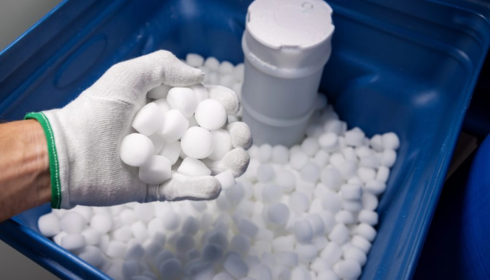
The most common setup remains the salt based water softener, which works by replacing calcium and magnesium ions with sodium or potassium ions during the softening process. It’s a proven method that’s been used in residential homes for decades.
These systems tend to work especially well in areas with very high mineral content because they physically remove the minerals causing the problem rather than simply altering their behavior.
Of course, salt-based systems also require occasional maintenance. Salt needs replenishing, and the system must regenerate periodically. For many homeowners, though, the tradeoff feels worthwhile once they experience the difference softer water makes day to day.
Softer Water Affects More Than Plumbing
People usually focus on appliances and pipes when discussing hard water, but personal comfort matters too.
Skin and hair often react differently to softened water. Some people notice less dryness or irritation after showers. Others say shampoo rinses more cleanly or that their hair simply feels lighter afterward. Even clothing can feel noticeably softer after washing.
Now, to be fair, experiences vary from person to person. Water quality itself differs enormously depending on location. But it’s surprisingly common for homeowners to say they didn’t fully understand how much hard water affected everyday comfort until they changed it.
That’s probably why so many people become oddly passionate about water softening after living with it for a while.
Maintenance Is Easier Than Most People Expect
A lot of homeowners delay installing softening systems because they assume maintenance will become complicated or time-consuming. In reality, modern systems are generally much simpler than older models.
Most require little more than checking salt levels occasionally and scheduling basic servicing every so often. Some newer units even monitor usage automatically and optimize regeneration cycles to reduce waste.
Like any home system, though, neglect creates problems eventually. A softener only works well when it’s maintained properly. Fortunately, upkeep tends to become routine pretty quickly once the system is part of daily life.
It’s kind of like replacing HVAC filters. Not exciting, but manageable.
Water Quality Quietly Shapes Everyday Life
The funny thing about improving water quality is that it rarely creates one huge “wow” moment. Instead, life just starts feeling easier in subtle ways.
You stop scrubbing scale buildup constantly. Your appliances run more efficiently. Towels feel softer. Dishes come out cleaner. Small frustrations slowly disappear from everyday routines.
And honestly, that’s probably why homeowners continue investing in water treatment systems despite never seeing them once they’re installed. The value isn’t about showing off fancy equipment in the basement.
It’s about comfort.
Good water quietly improves ordinary moments — morning showers, cups of coffee, clean laundry, washing dishes after dinner. Things we do every single day without thinking much about them.
Until the water improves, and suddenly those routines feel just a little bit better.

