
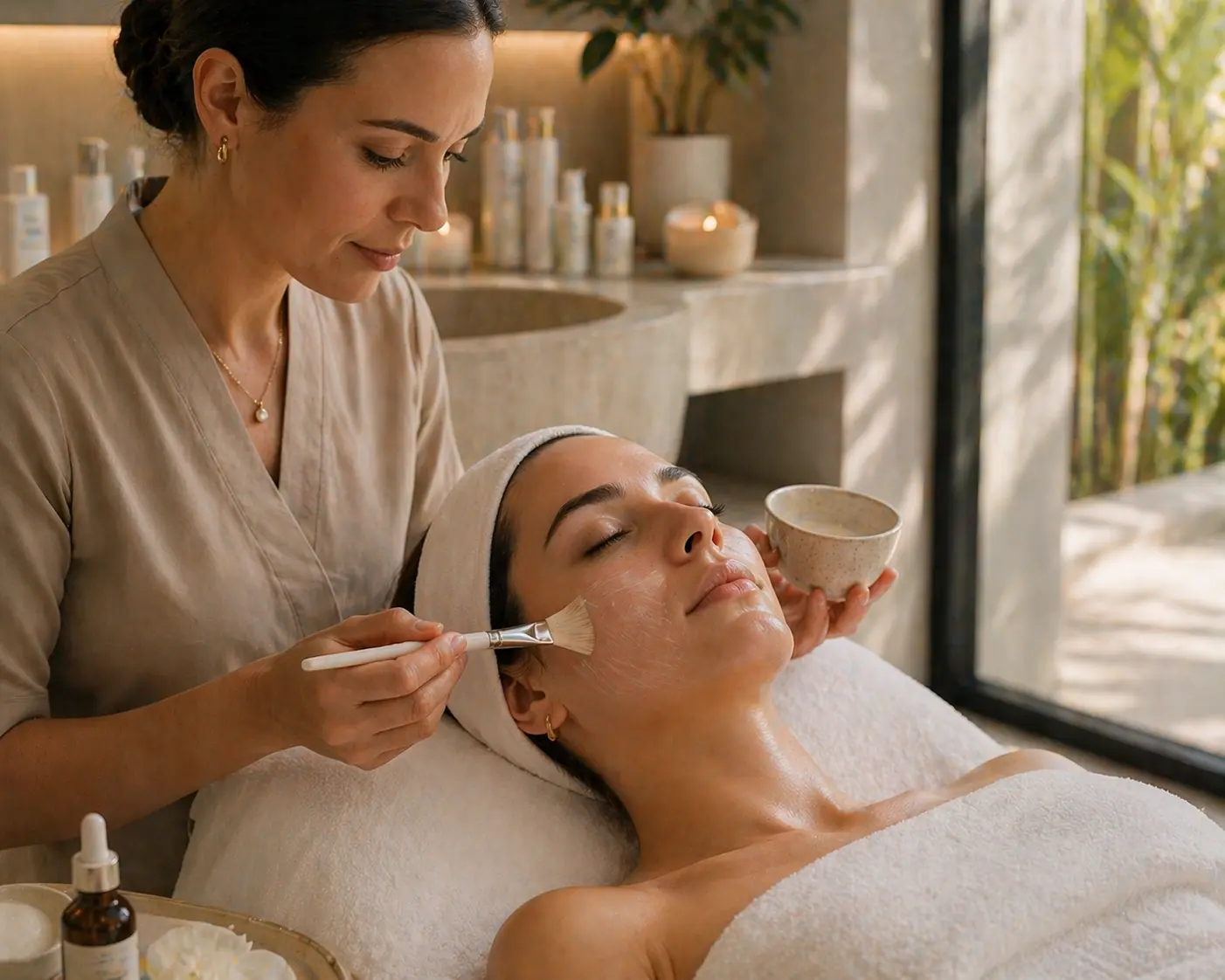
Healthy-looking skin is rarely the result of one product or one appointment. It usually comes from a combination of consistent daily care, professional guidance, realistic expectations, and treatments chosen for the right reasons.
Many people begin thinking about professional skincare when they notice changes that are difficult to improve at home. These may include uneven tone, rough texture, visible pores, dullness, fine lines, sun-related damage, or a general loss of radiance. While an effective home routine is important, professional treatments can sometimes address concerns that over-the-counter products cannot fully improve on their own.
The key is choosing a treatment strategy that matches your skin rather than simply following trends.
Start by Understanding What Your Skin Actually Needs
Before choosing a treatment, identify the concern you want to address.
This sounds simple, but many people use broad phrases such as “I want better skin” without defining what that means. For one person, better skin may mean reducing the appearance of dark spots. For another, it may mean improving texture, supporting firmness, or achieving a more refreshed appearance.
Being specific helps a provider recommend treatments more accurately.
Consider when you first noticed the concern, whether it changes seasonally, what products you currently use, and whether previous treatments have helped. These details give an aesthetic professional useful context during a consultation.
Why Skin Changes Over Time
Skin naturally evolves with age. Collagen production gradually decreases, and this can affect firmness and elasticity. Environmental factors can also influence appearance.
Sun exposure is one of the most significant contributors to visible skin aging. Over time, ultraviolet exposure may contribute to uneven pigmentation, dryness, texture changes, and fine lines.
Lifestyle can also make a difference. Sleep, hydration, stress, nutrition, and skincare habits may all affect how fresh or tired the complexion appears.
Because several factors can contribute to the same concern, successful skincare often requires a broader plan rather than one isolated treatment.
Professional Treatments Can Complement Home Skincare
A good skincare routine creates a foundation, but professional treatments may offer additional options for specific concerns.
Depending on the treatment, professional aesthetic services may be designed to improve the appearance of pigmentation, texture, fine lines, dullness, unwanted hair, or other concerns.
Some procedures work primarily at the surface of the skin. Others use technologies designed to influence deeper layers.
This is why people researching a Skin Revival Clinic in Glendale should focus not only on the treatment menu, but also on how services are selected for individual goals.
The treatment itself matters, but so does the assessment that comes before it.
A Consultation Should Come Before a Treatment Plan
A professional consultation is one of the most useful steps in aesthetic care.
Rather than selecting a procedure based only on an advertisement or social media post, a consultation allows a provider to evaluate your concerns and discuss the available options.
You should be prepared to explain your skincare history, current products, previous treatments, and the results you hope to achieve.
The provider may also ask about sensitivities, medications, sun exposure, or other factors that could affect treatment selection.
A good consultation should help you understand what is realistic before you spend time or money on a procedure.
Avoid Choosing Treatments Based Only on Trends
Aesthetic trends move quickly.
A procedure may suddenly become popular because of celebrity attention, social media content, or dramatic before-and-after images. However, popularity does not automatically make a treatment appropriate for your skin.
Different skin concerns require different approaches.
Someone dealing with pigmentation may need a different strategy from a person focused on texture. Someone concerned about firmness may benefit from a completely different technology.
The right question is not, “What treatment is everyone getting?”
The better question is, “Which treatment is appropriate for my skin and my goals?”
Ask How the Treatment Works
Patients should understand the basics of any procedure they are considering.
Ask what technology or method is being used and what it is designed to address. You should also understand what the treatment may feel like, how long an appointment usually takes, and whether any downtime is expected.
Some procedures may cause temporary redness, sensitivity, dryness, or peeling. Others may allow patients to return quickly to normal activities.
Knowing these details in advance makes it easier to choose a treatment that fits your schedule.
It also allows you to plan around important work commitments, travel, social events, or time outdoors.
Good Results Often Develop Gradually
One of the most important parts of aesthetic care is managing expectations.
Not every treatment is designed to produce an immediate dramatic change. Some improvements happen gradually as the skin goes through its natural renewal process.
Depending on the treatment, a series of sessions may be recommended.
This does not necessarily mean that a treatment is ineffective after one session. It may simply mean that the procedure is intended to create progressive improvement.
Ask your provider when results are typically evaluated and how progress should be measured.
Taking photos under consistent lighting can be useful because gradual improvements may be difficult to notice when you look at your skin every day.
Sun Protection Is Part of the Treatment Plan
Professional skincare and sun protection should work together.
Even an effective aesthetic treatment cannot prevent future sun exposure from affecting the skin.
Daily broad-spectrum sunscreen can help protect against ultraviolet radiation and support a long-term skincare plan. Protective clothing, shade, and avoiding unnecessary direct sun exposure can also be helpful.
This is especially important when addressing concerns such as uneven pigmentation or premature signs of aging.
Sun protection should not be viewed as something used only after a procedure. It should be part of regular skincare.
Consistency Matters More Than an Overcomplicated Routine
People often assume that a better skincare routine requires more products.
That is not always true.
Using too many active ingredients can sometimes lead to irritation, sensitivity, or dryness. A simple routine that is appropriate for your skin may be more effective than constantly experimenting with new products.
A basic routine often includes cleansing, moisturizing, sun protection, and carefully selected active ingredients when appropriate.
Professional guidance can help determine which products make sense alongside aesthetic treatments.
This is particularly useful because some ingredients may need to be paused before or after certain procedures.
Think About Maintenance From the Beginning
Skin continues to change after treatment.
Environmental exposure, aging, lifestyle, and daily habits can all influence future appearance. For that reason, aesthetic care is often more effective when viewed as an ongoing strategy rather than a one-time event.
Maintenance does not necessarily mean frequent procedures.
It may simply involve a consistent home routine, daily sun protection, occasional professional treatments, and periodic consultations to adjust your plan.
The right schedule depends on your skin and your goals.
How to Choose an Aesthetic Provider
Technology is important, but the person guiding your treatment plan is equally important.
Look for a clinic that communicates clearly and gives you enough information to make an informed decision.
You should understand why a treatment is being recommended, what it is intended to accomplish, what the possible side effects are, and whether other options should be considered.
Avoid providers who rely heavily on pressure or guarantees.
Results can vary from person to person, and responsible aesthetic professionals should acknowledge that.
You should feel comfortable asking questions and discussing concerns before agreeing to treatment.
Build a Plan Around Long-Term Skin Health
The strongest skincare strategies are usually personalized.
Instead of chasing one perfect procedure, think about how professional treatments, home skincare, sun protection, and healthy habits can work together.
Your plan may change over time as your skin changes.
That is normal.
The goal is not to eliminate every visible sign of aging or create an unrealistic appearance. It is to help the skin look healthier, more balanced, and well-maintained.
When professional treatments are selected carefully and supported by consistent daily care, they can become a valuable part of a long-term approach to skin confidence and overall appearance. To view a full treatment menu or to book your initial consultation. Click here to find our clinic on the map.