
There’s a certain kind of household annoyance that creeps in slowly. It doesn’t arrive with alarms or obvious warning signs. Instead, it shows up in little ways — cloudy dishes, stiff laundry, dry skin after a shower, faucets that never seem fully clean no matter how much scrubbing happens.
For a long time, many homeowners assume these things are just part of everyday life. But often, the real issue sitting quietly in the background is the water itself.
People tend to think of water as either “clean” or “dirty,” but there’s a middle ground that affects millions of homes without necessarily making the water unsafe. Mineral-heavy water can change how a house feels, how appliances perform, and even how daily routines unfold. And once you notice it, honestly, it becomes difficult to ignore.
The Strange Little Signs Around the House
Most homes dealing with hard water experience similar patterns, even if homeowners don’t immediately connect the dots.
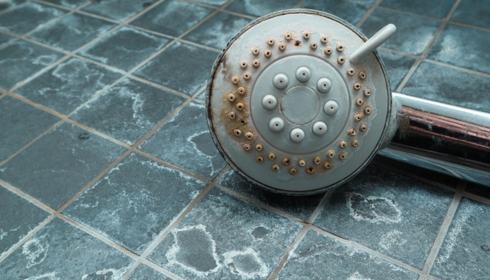
Soap refuses to lather properly. White residue appears around faucets and showerheads. Glasses come out of the dishwasher looking dull instead of sparkling clean. Hair feels dry. Towels lose softness no matter which detergent you buy.
The funny thing is how gradual it all feels. Nothing dramatic happens overnight. Instead, the problems slowly blend into normal life until someone visits another home and suddenly notices their water feels completely different.
A friend of mine moved apartments last year and couldn’t stop talking about how soft the shower water felt in the new place. At first, everyone laughed about it. Then she realized she no longer needed as much shampoo, her skin wasn’t as irritated, and cleaning the bathroom became noticeably easier. That’s when it clicked how much the old water had been affecting daily life without her realizing it.
Why Mineral Content Matters More Than People Think
Water naturally collects minerals as it travels through soil and rock underground. Calcium and magnesium are usually the main culprits. In moderate amounts, they’re not dangerous. But when concentrations rise, household problems start appearing everywhere.
This is what people mean when they talk about water hardness.
Some regions have naturally softer water, while others deal with extremely high mineral content. The difference can be surprisingly noticeable. In harder water areas, appliances often wear down faster because minerals gradually build up inside pipes, heating elements, and internal components.
Water heaters especially take a hit over time. They end up working harder than necessary because mineral deposits reduce efficiency. That extra strain eventually leads to higher energy use and earlier replacements. Not exactly the kind of expense most homeowners plan for.
And honestly, it’s not just about appliances. Everyday comfort changes too. Skin can feel tight after washing. Laundry becomes rougher. Even coffee and tea sometimes taste slightly different depending on mineral levels.
The Battle Against White Residue
If you’ve ever cleaned a bathroom sink only to see chalky white spots return almost immediately, you already know how stubborn mineral residue can be.
That crusty layer around faucets, shower doors, and kettle interiors is often caused by scale buildup. Minerals left behind after water evaporates slowly collect on surfaces over time. At first, it’s mostly cosmetic. But eventually, it can affect water flow and appliance performance too.
Showerheads become clogged. Dishwasher efficiency drops. Washing machines struggle. In severe cases, pipes themselves can narrow internally due to years of accumulation.
What makes it frustrating is how endless the cleaning cycle feels. People buy stronger cleaners, scrub harder, and assume they’re somehow falling behind on housekeeping when the real issue is continuously coming through the pipes every day.
Why Some Homes Feel More Comfortable Than Others
One thing people rarely discuss is how much water affects the atmosphere inside a home.
Homes with balanced water often feel easier to maintain. Showers feel cleaner. Towels stay softer. Kitchen cleanup takes less effort. There’s a kind of subtle smoothness to everyday routines that homeowners usually don’t appreciate until they experience the alternative.
And it’s not always about luxury upgrades or expensive renovations either. Sometimes improving water conditions changes the home environment more noticeably than cosmetic improvements do.
I remember visiting relatives who installed a softening system years ago. Nobody talked about it much afterward because the system quietly did its job in the background. But every time I stayed there, I noticed how different the water felt compared to home. Cleaner somehow. Less harsh. You don’t really have the vocabulary for it until you experience the contrast yourself.
Finding Practical Solutions Without Overcomplicating Things
The good news is that hard water issues are extremely common, which means solutions are widely available too.
Water softeners, filtration systems, and routine testing can all help depending on the severity of the problem. But what matters most is understanding what your home actually needs instead of blindly buying whatever system happens to be trending online.
Some homes need full softening systems. Others only need targeted filtration or maintenance. Local water conditions vary more than people realize, so testing first usually saves homeowners time and money in the long run.
And honestly, addressing hard water often improves more than just plumbing. People notice the difference in daily comfort surprisingly quickly.
Better Water Quietly Improves Everyday Life
Most homeowners don’t dream about upgrading their water systems. It’s not exactly exciting dinner conversation. But once water problems begin affecting appliances, cleaning routines, or personal comfort, the importance becomes very real.
The interesting thing is how quietly better water improves everyday life afterward. Dishes look cleaner. Laundry feels softer. Showers become more enjoyable. Appliances last longer. None of these changes are dramatic individually, but together they reshape the feeling of home in subtle ways.
In the end, that’s probably why more people are paying attention to water now than they used to. Because once you realize how deeply it affects daily living, it stops feeling like “just water” and starts feeling like something worth taking seriously.

