
Most homeowners have a story about water damage. Maybe it was a pipe that burst during vacation, a ceiling stain that kept growing for weeks, or a tiny drip under the sink nobody noticed until the cabinet started swelling. Water has a strange habit of staying invisible right up until the moment it becomes expensive.
And honestly, that’s part of the problem.
People tend to think of home maintenance as something dramatic — broken roofs, electrical failures, giant plumbing disasters. But many of the costliest issues start quietly. A slow leak behind a wall. A running toilet nobody hears at night. Tiny problems working patiently in the background.
That’s why smarter water technology is starting to feel less like a luxury gadget and more like basic common sense for modern homes.
Water Waste Happens Faster Than Most People Think
It’s easy to underestimate how much water can disappear from a minor leak. A faucet dripping every few seconds doesn’t look serious, but over weeks and months it adds up surprisingly fast. The same goes for hidden plumbing issues tucked inside walls or under flooring.
The frustrating part is how difficult these problems are to catch early. By the time homeowners actually notice visible damage, the issue may have been there for a long while already.
A friend of mine learned this the hard way after returning from a weekend trip to find warped hardwood flooring near the laundry room. The leak itself wasn’t massive. It had simply gone unnoticed long enough to create a much bigger headache.
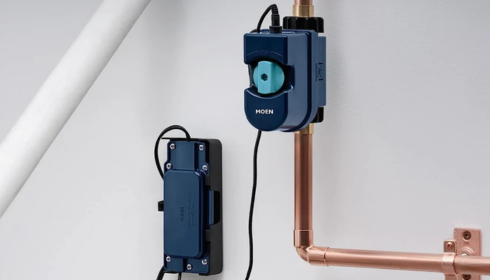
Situations like that are exactly why systems focused on smart water monitoring have become more popular lately. Instead of waiting for obvious damage, homeowners can track unusual water usage patterns in real time and receive alerts when something doesn’t look normal.
That early warning changes everything.
Smart Homes Are Becoming More Practical
For years, smart home technology felt a little gimmicky to some people. Voice-controlled lights and connected refrigerators sounded interesting, sure, but not exactly essential. Water management feels different because the stakes are more practical.
Nobody gets excited about plumbing until it fails.
The newer generation of smart water systems focuses less on flashy features and more on prevention. Homeowners want tools that quietly protect the property without requiring constant attention or technical expertise.
That’s one reason drop smart home water management systems have started attracting attention among families looking for more control over household water use. The appeal isn’t really about technology itself. It’s about reducing uncertainty.
People want reassurance that their home can spot trouble before it spirals into expensive repairs.
And honestly, after hearing enough horror stories about hidden leaks, it’s easy to understand why.
The Cost of Water Damage Goes Beyond Money
When water damage happens, the financial side is only part of the frustration. There’s also disruption. Contractors walking through the house for weeks. Furniture moved into random rooms. Drywall repairs dragging on longer than expected.
It interrupts daily life in ways people don’t always anticipate.
One homeowner described it perfectly to me once: “The leak wasn’t even the worst part. It was living around the repairs afterward.” That stuck with me because it’s true. Even relatively minor water damage creates stress that lingers long after the actual plumbing issue gets fixed.
Preventative systems can’t stop every possible problem, obviously. But they dramatically improve the odds of catching issues early enough to avoid large-scale damage.
That’s where modern leak detection technology becomes genuinely valuable. Tiny sensors and connected monitoring tools can identify unusual moisture or water flow patterns long before visible signs appear. In many cases, homeowners receive alerts while the issue is still manageable.
And honestly, avoiding even one major incident often justifies the investment emotionally as much as financially.
Water Awareness Is Changing Homeownership
Something interesting has shifted over the last few years. Homeowners are becoming far more aware of what’s happening behind the walls of their houses. Energy efficiency, air quality, water use — people care about these systems more now because they understand how directly they affect comfort and costs.
Water management fits naturally into that larger trend.
It’s not only about emergencies anymore. Many families are also paying attention to conservation and utility expenses. Monitoring systems help homeowners understand how much water they’re actually using daily, which often reveals surprising habits.
Long showers, inefficient appliances, outdoor irrigation waste — small patterns become much easier to recognize once data is visible.
And the funny thing is, people usually don’t change behavior because someone lectures them about conservation. They change because they finally see the impact clearly.
Technology Works Best When It Stays Invisible
The best smart systems are the ones homeowners barely think about after installation. Nobody wants another complicated app demanding constant interaction. Good technology quietly handles its job in the background while making life feel simpler, not more stressful.
That’s especially true with water systems.
You shouldn’t need to constantly worry about hidden leaks or unexplained spikes in your water bill. Reliable monitoring tools create peace of mind precisely because they reduce the mental load homeowners carry without realizing it.
It’s similar to home security systems in a way. Most people hope they never actually need them during an emergency. But knowing they’re there changes how safe the home feels.
The Future of Home Protection Is Becoming Preventative
For decades, homeownership mostly revolved around reacting to problems after they happened. Fix the leak. Repair the damage. Replace the flooring. But smart technology is slowly shifting that mindset toward prevention instead.
And honestly, that feels overdue.
Water damage remains one of the most common and expensive household problems, yet many issues are entirely preventable when caught early enough. Smarter systems give homeowners a chance to respond before situations spiral out of control.
At the end of the day, people don’t really buy water monitoring tools because they love technology. They buy them because they love their homes and want fewer unpleasant surprises hiding behind the walls.
That’s a pretty human reason, honestly.

