Water quality has a way of affecting daily life without making much noise about it. You might notice white marks on your bathroom taps, an unusual taste in your drinking water, or a growing layer of scale inside your kettle. For business owners, the signs can be more expensive: equipment that needs frequent cleaning, inconsistent water quality, or interruptions that make ordinary work harder than it should be.
These problems don’t always have the same cause, which is why choosing a treatment system requires a little thought. A solution that works well for a city home may not be suitable for a property supplied by a private well. Likewise, a small office and a busy commercial kitchen can have very different water demands.
The best starting point is simple: understand the water you have, identify what you want to improve, and choose equipment designed for that specific purpose.
Why Water Quality Deserves Attention at Home
Homeowners often think about water treatment only when a problem becomes obvious. Hard water stains, unpleasant odors, and clogged showerheads are easy to spot, but other water-quality concerns may not be visible. Clear water doesn’t automatically mean that every possible contaminant is absent.
Water characteristics depend on the source, local geology, treatment processes, and plumbing. Some supplies contain higher levels of calcium and magnesium, which contribute to hardness. Others may contain iron, sediment, or substances that affect taste and odor. Private water supplies can have additional concerns that require regular testing.
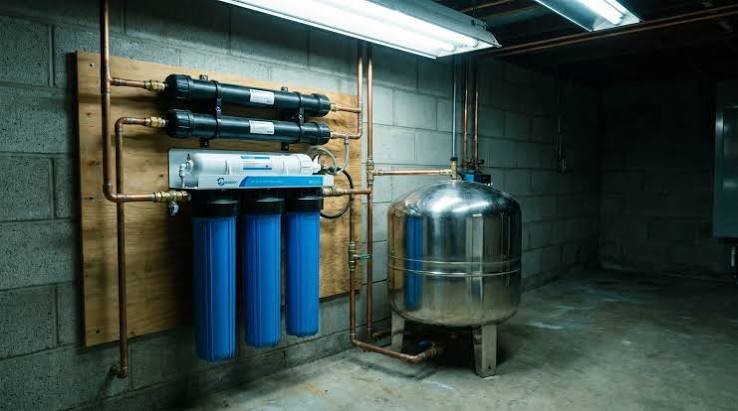
A whole home treatment system can be useful when the goal is to address a suitable water-quality issue at multiple points throughout the property. Installed where water enters the home, a whole-house system can treat water before it reaches showers, laundry appliances, kitchen taps, and other fixtures.
The exact benefits depend on the equipment. A sediment filter may capture suspended particles, while a carbon filter can reduce certain substances responsible for unwanted tastes and odors. A softener targets hardness minerals, and specialized systems address other specific concerns.
There’s no need to install every type of treatment available. Testing the water first helps determine which technologies make sense and prevents spending money on equipment that doesn’t address the actual issue.
Understanding the Difference Between Filtration and Softening
Filtration and water softening are often mentioned together, but they serve different purposes. Understanding that distinction can make the buying process much easier.
Water filters are designed to remove or reduce particular substances, depending on their construction and certification. Some capture sediment, while others reduce chlorine, selected chemicals, or certain contaminants. No filter should be assumed to remove everything simply because its packaging uses broad terms such as “advanced purification.”
Water softeners, on the other hand, are primarily used to address hardness caused by dissolved calcium and magnesium. Traditional ion-exchange softeners can reduce mineral scale, making it easier to clean faucets, shower screens, and other fixtures. They may also help reduce scale accumulation in some water-using appliances.
The two approaches can complement each other, but the combination should be based on water test results and household requirements. A home with very hard water may benefit from softening, while a household concerned about a specific drinking-water contaminant may need a separately certified filtration method.
It’s also important to think about maintenance. Filters need replacement, softeners may require salt or other servicing, and certain systems need periodic professional inspection. Equipment is more likely to deliver its intended benefits when it’s correctly sized, installed, and maintained.
Special Considerations for Homes Using Well Water
Properties that rely on private wells have a different set of responsibilities. Unlike many municipal supplies, private wells generally aren’t monitored by a public water utility in the same way. Owners need to take an active role in checking water quality and maintaining the well itself.
Well water treatment should begin with appropriate testing rather than assumptions about how the water looks or tastes. Depending on the location and local risks, testing may include bacteria, nitrates, pH, hardness, iron, manganese, and other substances that could be relevant to the supply.
For example, a homeowner might notice reddish stains around sinks and discover that iron is contributing to the problem. Another household may have clear water but need testing to investigate a potential microbiological concern. These situations call for different responses, and using the wrong treatment can leave the underlying issue unresolved.
If testing identifies bacteria or another health-related concern, contact the relevant local health authority or a qualified water professional for guidance. Disinfection, source protection, or other corrective measures may be necessary, depending on the results. A standard sediment or carbon filter should not be treated as a universal safety solution.
Well owners should also inspect the wellhead, keep potential sources of contamination away from the supply, and arrange repeat testing according to local guidance. After flooding, repairs, or noticeable changes in the water, additional testing may be advisable.
A dependable treatment provider should explain the test results in plain language and recommend equipment that matches the findings. That conversation is often more valuable than choosing a system based on advertising alone.
Water Treatment for Commercial Properties
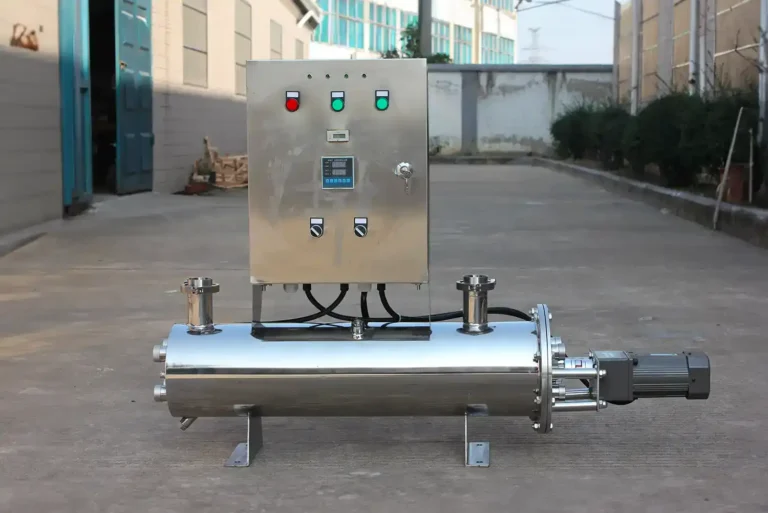
Businesses can face water-quality challenges that affect more than convenience. Restaurants depend on reliable water for food preparation, cleaning, and equipment. Hotels need consistent water service for guests and laundry operations. Manufacturing facilities may have specific requirements tied to their processes, machinery, or finished products.
This is where commercial solutions need to be planned around actual usage rather than simply scaling up a residential system. A commercial installation must account for peak demand, flow rates, operating hours, incoming water quality, and the consequences of downtime.
For example, a café may need to address scale that affects coffee equipment, while a production facility may require carefully controlled water characteristics for a particular process. A system designed for one application may not meet the needs of another, even if both properties receive water from the same municipal supply.
Business owners should ask potential providers about capacity, installation requirements, ongoing operating costs, and service availability. It’s also worth discussing how the system will be monitored and what happens if a component fails during a busy period.
In some environments, regular testing and documented maintenance are important parts of quality assurance. Keeping service records helps businesses track performance, plan replacement work, and demonstrate that water-related equipment is being looked after appropriately.
Installation and Maintenance Should Be Part of the Plan
A water treatment system is not a purchase that ends on installation day. Filters gradually collect the substances they are designed to capture, components can wear out, and operating conditions may change over time.
Before choosing equipment, ask about the recommended service schedule and the cost of replacement parts. Find out whether routine maintenance can be completed by the owner or whether professional servicing is required. If the property has limited space, confirm that there is enough room to install the system and access it later.
Once the equipment is running, pay attention to changes in water pressure, taste, odor, or visible deposits. These signs don’t necessarily mean the system has failed, but they may indicate that maintenance or further testing is needed.
Better Water Begins With an Informed Choice
Whether you’re improving water quality in a family home, maintaining a private well, or managing a busy commercial property, the goal is the same: find a reliable solution that addresses the real problem.
Start with testing, compare equipment based on verified capabilities, and ask questions before making a commitment. Consider installation, maintenance, replacement parts, and long-term operating costs alongside the initial price.
There isn’t one perfect treatment system for every property. But with a clear understanding of your water supply and a plan suited to your needs, it’s possible to make a sensible investment that supports everyday comfort, equipment performance, and greater confidence in the water you use.