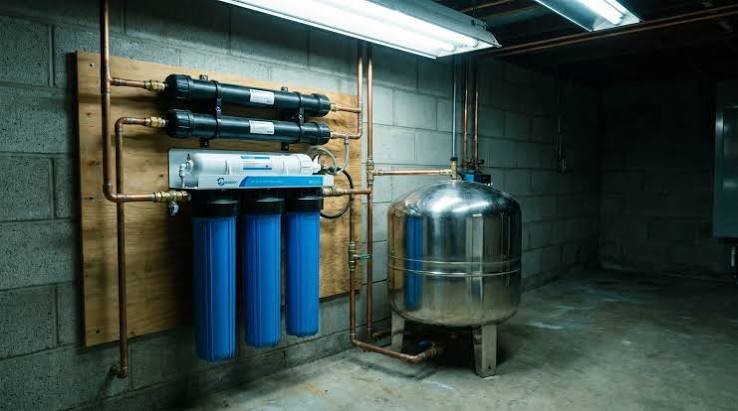
Water is part of nearly every routine at home. We drink it, cook with it, wash our clothes in it, and rely on it to keep our bathrooms and kitchens clean. Because it’s so familiar, it’s easy to assume that clear water is always good water. Yet appearance alone doesn’t tell the whole story. Dissolved minerals, changes in acidity, and microorganisms can affect water quality in ways that aren’t immediately obvious.
The good news is that homeowners have several treatment options available. Reverse osmosis, neutralizing filters, and ultraviolet treatment systems each serve a different purpose. Understanding what they do, and where they fit, makes it easier to choose a solution that addresses your household’s actual needs rather than spending money on equipment that may not help.
Start With a Clear Picture of Your Water Quality
Before shopping for a filtration system, find out what’s in your water. A private well, for example, may contain naturally occurring minerals, iron, manganese, or other substances picked up as groundwater moves through soil and rock. Public water supplies are generally treated and monitored, but household plumbing and local conditions can still influence the water reaching individual taps.
Testing is the most useful starting point. The appropriate tests depend on your water source, location, and any problems you’ve noticed. A basic screening may cover hardness and pH, while laboratory analysis can identify specific contaminants that require closer attention.
Pay attention to changes, too. A metallic taste, reddish stains, or an unusual smell may suggest a water-quality concern, but none of these signs can confirm the exact cause. Some contaminants have no noticeable taste, smell, or color at all.
Once you have reliable results, you can compare treatment options with a clearer idea of what needs to be addressed.
Reverse Osmosis for Reducing Dissolved Contaminants
Some water-quality concerns involve substances that ordinary sediment filters cannot remove. Dissolved salts and certain metals, for instance, can remain in water even when it looks perfectly clear. This is one reason homeowners sometimes consider a membrane-based filtration system.
Reverse osmosis works by applying pressure to move water through a semipermeable membrane. The membrane allows water to pass while rejecting a substantial portion of many dissolved substances. The exact removal performance depends on the system, the incoming water, operating conditions, and the contaminants involved.
Under-sink reverse osmosis systems are popular for drinking and cooking water. They can be useful when testing identifies substances that the particular system is certified to reduce. Some units also include carbon filters to improve taste or protect the membrane.
However, reverse osmosis isn’t a universal answer to every water problem. Many household units produce a concentrated wastewater stream during operation, although the amount varies considerably by design and conditions. They also require regular filter changes and membrane maintenance.
Before purchasing one, check its independently verified performance claims. Confirm that the system addresses the contaminants found in your water and that replacement parts will be easy to obtain. If your main concern is hardness throughout the house, a whole-home softener may be more appropriate than relying on an under-sink RO unit.
Is Reverse Osmosis Right for Every Home?
Not necessarily. Some households need only a simple carbon filter for a specific taste issue, while others require a more specialized solution. If your water contains several different contaminants, you may need a combination of treatment methods.
It’s also worth considering how much treated water your family uses. A small drinking-water system may be sufficient for a couple, while a larger household could benefit from a model with suitable storage capacity and flow performance.
The goal is to match the technology to the test results, not to install the most complicated system available.
Correcting Low pH With a Water Neutralizer
Water chemistry can affect plumbing just as much as it affects drinking-water quality. One important measurement is pH, which indicates whether water is acidic or alkaline. A value of 7 is neutral, while lower values indicate greater acidity.
Water with a low pH may contribute to corrosion under certain conditions. Depending on the plumbing materials and overall water chemistry, this can increase the likelihood of metal components deteriorating or metals entering the water. The pH reading alone, however, cannot establish whether a harmful metal concentration is present.
A water neutralizer is commonly used to raise the pH of acidic water. Many systems contain calcite, a calcium carbonate mineral that dissolves gradually as water passes through it. Some applications use blended media or other approaches when a greater pH adjustment is needed.
The choice depends on the incoming pH, flow rate, water composition, and the degree of correction required. Because neutralizing media can add minerals to the water, it’s important to consider hardness and other chemical characteristics before installation.
Signs That Water Neutralization May Be Needed
Homeowners may notice blue-green staining around plumbing fixtures, metallic-tasting water, or repeated deterioration of certain metal components. These signs can be associated with corrosive water, but they can also have other causes.
Testing provides a more reliable answer. Depending on the situation, a water professional may recommend checking pH, alkalinity, hardness, and metals such as copper or lead. If metal contamination is suspected, use appropriate laboratory testing rather than assuming a neutralizer will solve the problem.
Once a suitable system is installed, periodic checks are important. Neutralizing media is gradually consumed and may need replenishment. A system that isn’t maintained can lose effectiveness, leaving the original issue unresolved.
Ultraviolet Treatment for Microbiological Concerns
Not every water problem comes from minerals or dissolved chemicals. Private wells and some other water sources may be vulnerable to bacteria, viruses, or other microorganisms. These concerns call for a different type of treatment.
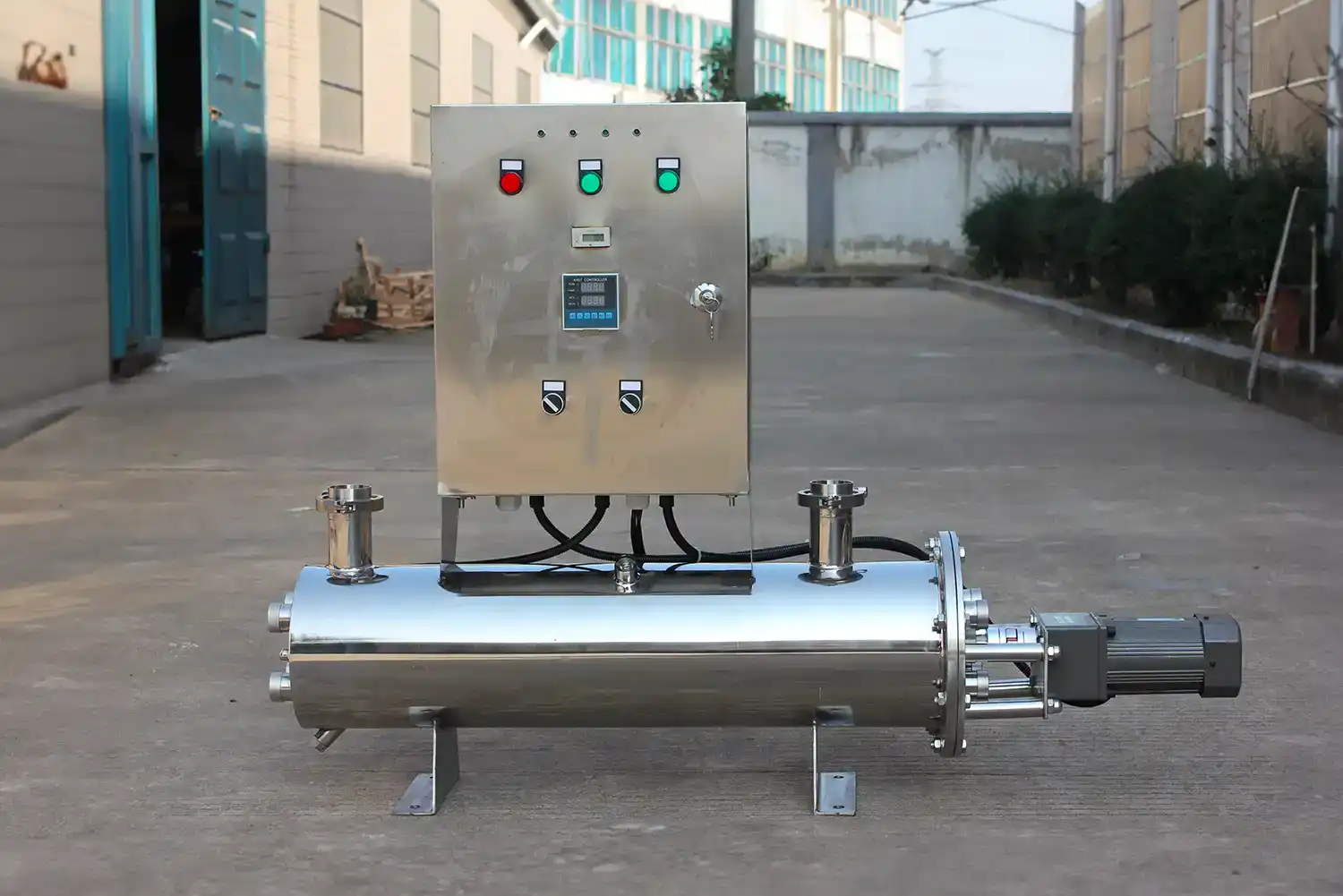
UV disinfection systems use ultraviolet light to inactivate susceptible microorganisms as water flows through a treatment chamber. When properly selected and operated, they can provide an additional layer of microbiological protection without relying on chemical disinfectants in the water.
UV treatment doesn’t remove dissolved metals, hardness minerals, salts, or sediment. It also doesn’t physically filter microorganisms out of the water. Instead, the ultraviolet exposure interferes with their ability to reproduce and cause infection.
For that reason, pretreatment may be necessary. Suspended particles and cloudy water can interfere with UV performance by shielding microorganisms from the light. A properly designed installation may include sediment filtration or other equipment suited to the source water.
Maintaining Effective UV Disinfection
A UV unit needs electricity, a functioning lamp, and appropriate water flow to work as intended. Lamp replacement intervals vary by manufacturer, and the lamp may lose useful disinfection performance even if it still appears to be glowing.
The quartz sleeve surrounding the lamp also needs attention because mineral deposits can reduce the amount of ultraviolet light reaching the water. Follow the manufacturer’s maintenance instructions and pay attention to any alarm or monitoring features included with the system.
If a well test detects bacteria, contact a qualified water professional or local public-health authority for guidance on corrective measures and follow-up testing. UV treatment can be useful, but installation alone shouldn’t be treated as proof that the water is safe.
Combining Technologies Without Overcomplicating the System
Some homes benefit from more than one treatment method. For example, a property might need a neutralizer to address low pH, a softener to reduce hardness, and a UV unit to manage a confirmed microbiological concern. Another household might need only a point-of-use filter for drinking water.
The correct arrangement depends on test results and how each device performs. Equipment should be installed in an appropriate sequence, with suitable pretreatment and flow capacity where required.
Ask the installer to explain the purpose of every component, the maintenance schedule, and the expected operating costs. Clear answers make it easier to understand what you’re paying for and how to keep the system working.
Make Water Quality a Long-Term Priority
Choosing a water treatment system is ultimately about solving a real problem, not collecting equipment. Reverse osmosis can reduce many dissolved substances, neutralizers can help correct acidic water, and UV systems can inactivate susceptible microorganisms. Each has a distinct role, and none should be expected to do everything.
Begin with testing, compare certified equipment, and account for maintenance before making a decision. With the right information and a system suited to your household, you can improve water quality while avoiding unnecessary expense and guesswork.