A kitchen doesn’t have to look like something from a design magazine to work beautifully. Often, the biggest improvements come from small changes that make everyday tasks easier. Cleaner drinking water, convenient access to hot water, and a sink that handles food scraps properly can save time and reduce a few of those daily frustrations we tend to accept as normal.
When planning kitchen improvements, it’s tempting to focus entirely on cabinets, countertops, and appliances that look impressive. Those things certainly matter, but the systems hidden beneath the sink can be just as important. Choosing the right equipment can improve convenience, support better water management, and make cooking and cleaning feel less like a chore.
The key is understanding what each upgrade actually does, how it fits into your existing plumbing, and whether it solves a problem your household genuinely experiences.
Making Better Drinking Water Available at Home
Water quality is easy to overlook when the tap runs clear and has no obvious smell. However, appearance alone cannot tell you everything about what’s dissolved in your drinking water. Depending on the local supply, homeowners may have concerns about taste, dissolved minerals, or specific contaminants that require appropriate testing.
For households seeking additional filtration, reverse osmosis systems can be worth considering. These systems push water through a specialized semipermeable membrane that reduces many dissolved substances. Depending on the system’s design and certification, treatment may reduce certain salts, metals, and other contaminants.
That doesn’t mean every home needs reverse osmosis. Municipal water may already meet applicable drinking water standards, while private wells can have very different treatment requirements. Testing the water helps identify the actual concern and makes it easier to choose equipment designed to address it.
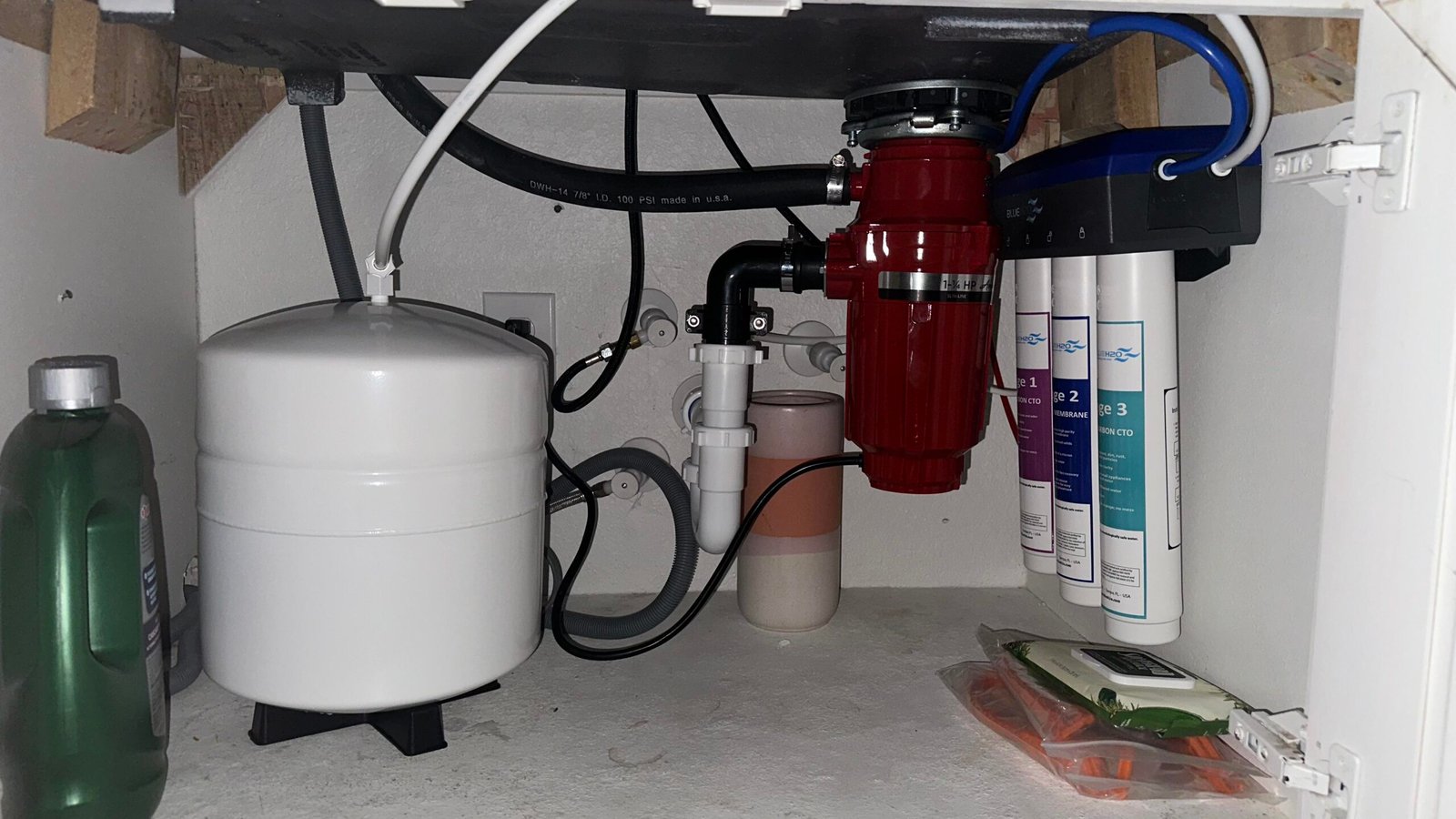
A reverse osmosis unit is commonly installed beneath the kitchen sink and may include prefilters, a membrane, and a storage tank, although some modern designs use different arrangements. Many systems also include a dedicated drinking water faucet. Before purchasing one, check the available cabinet space, the location of the drain connection, and whether the unit is compatible with your home’s water pressure.
Maintenance is part of the deal. Filters need replacement at the recommended intervals, and the membrane eventually requires servicing. Ignoring these tasks can affect performance and water quality. It’s also useful to understand that conventional reverse osmosis systems produce wastewater during filtration, with the amount depending on system design and operating conditions.
Look for independently certified performance claims rather than relying on broad marketing promises. The right system should address the contaminants you are concerned about, not simply carry an impressive label.
Enjoying Hot Water Without Waiting
There’s a small but familiar annoyance in many kitchens: turning on the tap and waiting for hot water while the cold water sitting in the pipes runs away. It can feel especially wasteful when the water heater is located far from the kitchen.
An under-sink instant hot water unit, often called an insta-hot, offers a convenient option for certain kitchen tasks. These systems generally use a compact electric heater and a small reservoir to supply very hot water through a dedicated faucet. Depending on the model, the water can be useful for preparing tea, making instant meals, loosening stubborn food residue, or speeding up other everyday jobs.
The convenience is appealing, but homeowners should understand what they’re buying. These units typically supply a limited volume of near-boiling or very hot water rather than replacing the home’s main water heater. They also require suitable electrical capacity, appropriate plumbing connections, and enough space for installation.
Temperature settings matter because water hot enough for quick kitchen tasks can cause serious scalding. Families with young children or anyone who may accidentally operate the faucet should consider safety features, faucet design, and the manufacturer’s installation recommendations.
Running costs depend on the unit’s insulation, temperature setting, standby losses, and frequency of use. A quality model may be convenient, but it should still be compared with alternatives based on the household’s habits. If you rarely need very hot water at the sink, a separate unit may not be worth the added expense.
For households that regularly prepare hot drinks or use hot water during cooking, though, the convenience can be noticeable. It is one of those upgrades that seems minor until you begin using it every day.
Managing Food Scraps More Conveniently
Food preparation inevitably produces scraps. Vegetable peels, small leftover pieces, and bits of food can quickly fill a kitchen bin, especially when several people are cooking. A sink-mounted disposal offers another way to manage certain food waste, provided it is permitted locally and used correctly.
Garbage disposals use a motor-driven grinding mechanism to break suitable food scraps into smaller particles that can pass through the plumbing system. They are generally installed beneath the sink and connected to a compatible drain. For some households, this makes cleaning up after meals simpler and reduces the amount of food waste placed in the kitchen trash.
However, a disposal isn’t a solution for every kind of waste. Fibrous materials, large bones, grease, oil, and certain starchy foods can create problems depending on the unit and plumbing arrangement. Grease is especially troublesome because it can cool and accumulate inside pipes, even if it passes through the disposal in liquid form.
Always follow the manufacturer’s guidance about what can be processed. Run water as directed during operation, avoid placing hands inside the unit, and disconnect power according to the instructions before attempting any maintenance. If the disposal jams, use the recommended procedure rather than reaching into the grinding chamber.
It’s also worth considering the local wastewater system. Some municipalities restrict or discourage garbage disposals because of their effects on wastewater infrastructure. Composting suitable food scraps or using a food waste collection program may be a better choice in those areas.
When choosing a unit, consider motor power, noise level, grinding design, available under-sink space, and the warranty. A more powerful model isn’t necessarily the best option for every kitchen; appropriate sizing and correct installation matter just as much.
Making Sure the Plumbing Can Handle the Upgrade
Even a well-designed product can cause headaches if it isn’t compatible with the existing kitchen. Before buying equipment, check the available space beneath the sink and identify the locations of water supply lines, drain pipes, electrical outlets, and any existing filtration components.
Some upgrades may work alongside one another, while others require careful planning. A reverse osmosis unit, for instance, may need a dedicated faucet and a suitable drain connection. An instant hot water system may need its own electrical supply. A garbage disposal can change the available drain layout and must be connected according to local plumbing requirements.
This is where professional installation can be worthwhile. A qualified plumber or appropriately licensed installer can assess the connections, identify potential conflicts, and ensure the work complies with local codes. Electrical work should also be handled by a qualified professional when required.
Ask for a clear estimate before work begins. It should identify the equipment, installation labor, necessary fittings, and any additional changes that may affect the total price. Understanding these details beforehand makes budgeting easier and helps prevent unpleasant surprises.
Keeping Your Kitchen Equipment in Good Shape
Once an upgrade is installed, routine care helps it perform as intended. Replace filtration cartridges according to the manufacturer’s schedule, inspect accessible connections for moisture, and clean faucets and aerators when mineral deposits appear.
For instant hot water units, follow the recommended maintenance and temperature settings. For a garbage disposal, keep unsuitable materials out of the grinding chamber and investigate unusual noises, persistent odors, or repeated drainage problems. Small warning signs are easier to address before they turn into larger repairs.
If you notice a sudden change in drinking water taste or odor, don’t automatically assume the filter has failed. The cause could be related to the supply, plumbing, or treatment equipment. Check the manufacturer’s guidance and arrange water testing when appropriate.
Choosing Improvements That Fit Your Household
The most useful kitchen upgrades are the ones that solve real problems. Reverse osmosis may make sense when testing identifies contaminants the system is certified to reduce. An instant hot water unit can be convenient for frequent hot-water tasks, while a garbage disposal may simplify cleanup where local rules and plumbing conditions allow it.
Take time to compare installation needs, maintenance schedules, operating costs, and product warranties before committing. There’s no need to install every available gadget simply because it promises a more modern kitchen.
A few thoughtful improvements can make daily routines easier without turning a practical project into an expensive renovation. Start with the problem you want to solve, choose equipment suited to your home, and maintain it properly. In the long run, that approach is usually more rewarding than buying the newest product on the shelf.