
Most of us assume our tap water is “fine.” It runs clear. It doesn’t smell terrible. The city says it’s safe. So we pour a glass, take a sip, and move on with our day. Water, after all, is supposed to be the most ordinary thing in the world.
And yet… sometimes it isn’t.
Maybe your coffee tastes slightly bitter no matter which beans you buy. Maybe your ice cubes look cloudy. Maybe there’s a faint chlorine note that you can’t quite ignore once you notice it. These are small things, sure. But small things repeated every day have a way of getting under your skin.
It’s funny how we’ll research the healthiest cooking oils, the best mattresses for sleep, even the right light bulbs for our mood — but water, the one thing we consume daily without fail, barely gets a second thought.
Until it does.
When “Safe” Isn’t the Same as Ideal
Municipal water systems do an important job. They remove dangerous pathogens and treat water to meet regulatory standards. But standards are designed around safety thresholds — not necessarily taste, comfort, or optimization.
Chlorine is commonly used for disinfection, and while effective, it can leave a noticeable flavor. Minerals may remain in the water. Trace contaminants, though often within legal limits, can still exist in small amounts. Aging pipes can also influence what ultimately flows into your glass.
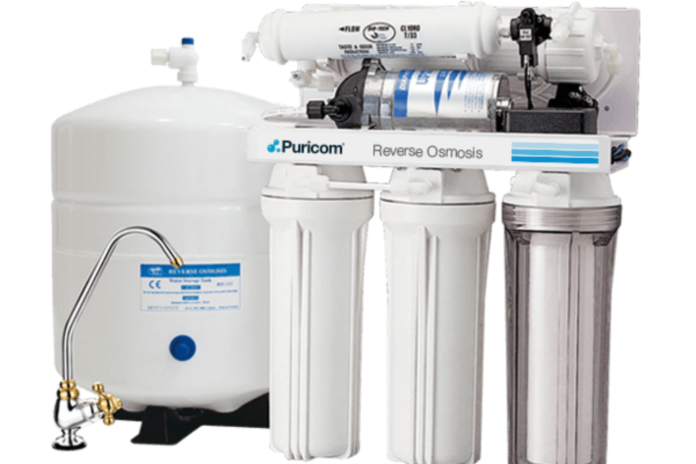
That’s where systems like reverse osmosis come into the conversation. Installed typically under the kitchen sink, these systems push water through a semi-permeable membrane designed to filter out a wide range of dissolved solids. The process is precise and methodical, targeting impurities at a microscopic level.
It’s not about fear. It’s about refinement.
When you understand what’s potentially present in untreated tap water, even in trace amounts, the appeal of a more controlled filtration method becomes clearer.
The Science Behind Cleaner Water
The idea of filtration sounds simple, but the mechanics are surprisingly sophisticated. Reverse osmosis systems often include multiple stages: sediment pre-filters to catch particles, carbon filters to reduce chlorine and odors, and finally the membrane itself, which handles the heavy lifting.
The result is significant contaminant removal — from certain heavy metals and nitrates to dissolved salts and other impurities. Of course, the exact performance depends on the system and local water conditions, but the goal is consistent: cleaner, more predictable water quality.
What surprises many homeowners is how quickly they adjust. The first glass tastes crisp. The second feels refreshing. By the third day, you forget what your old tap water tasted like.
It becomes the new normal.
Taste Changes Everything
Let’s talk honestly for a moment. Most people don’t install water filtration systems purely because of lab reports. They do it because of taste.
When water tastes clean, you drink more of it. Kids refill their bottles without resistance. Coffee tastes brighter. Tea feels smoother. Even pasta cooked in filtered water seems somehow more balanced.
It’s subtle but powerful.
And that shift toward better-tasting water often leads to unexpected changes. Fewer plastic bottles in the recycling bin. Less money spent on cases of water from the store. A kitchen that feels just a little more self-sufficient.
Taste is personal. But once you experience a clear improvement, it’s hard to go back.
Beyond the Glass
Drinking water is the main focus of under-sink systems, but the ripple effects go further. Ice cubes made from filtered water freeze clearer. Cooking flavors feel more accurate, especially in delicate recipes. Even pet bowls benefit.
It’s not about chasing perfection. It’s about removing distractions — those faint off-notes that water sometimes carries.
There’s also peace of mind. Knowing you’ve taken a step toward improving something fundamental in your home can be quietly reassuring. You’re not reacting to a crisis; you’re making a proactive choice.
And that feels good.
The Question of Maintenance
One hesitation people often express is upkeep. Will it be complicated? Expensive? Time-consuming?
In reality, most modern reverse osmosis systems are designed for straightforward maintenance. Filters are replaced on a set schedule — often once or twice a year. Membranes last longer. Many systems include indicator lights or simple reminders.
It becomes routine, like changing an HVAC filter. A small task with ongoing benefits.
The key is consistency. A well-maintained system performs better and lasts longer, delivering the kind of steady reliability that homeowners appreciate.
Is It Worth It?
That depends on what you value.
If you’re content with your tap water and rarely think about it, perhaps not. But if you’ve ever hesitated before taking a sip, or if you find yourself buying bottled water “just in case,” it might be time to reconsider.
Water is woven into your daily habits more than almost anything else. Improving it isn’t flashy. No one will compliment your filtration system at a dinner party. But you’ll notice the difference every single day.
And sometimes the most meaningful upgrades are the quiet ones — the ones that slip seamlessly into your routine and improve it from the inside out.
At the end of the day, water should feel clean, taste fresh, and support your health without question. When you reach that point — when you pour a glass without second-guessing — you realize something simple but powerful:
Getting your water right changes more than you expect.

