
There’s something oddly comforting about turning on the tap and hearing that steady, familiar rush of water. It’s one of those everyday sounds we barely notice — until something feels off. Maybe the see-through glass looks a little hazy, or the water has a faint smell you can’t quite place. It’s subtle, sure, but enough to make you pause.
Water, after all, isn’t just something we drink. It touches nearly every part of our daily routine — from washing vegetables to bathing kids before bedtime. And when its quality changes, even slightly, it tends to show up in small but persistent ways.
More homeowners today are starting to realize that improving water quality isn’t just about safety. It’s about comfort, convenience, and even long-term peace of mind.
The Hidden Signs Most People Miss
For many households, water quality issues don’t appear dramatically. They show up quietly. You might notice your soap doesn’t lather well, or white residue forms around your faucet. Clothes may come out of the washing machine feeling rough instead of fresh.
Sometimes, it’s even simpler — water just tastes… flat. Not terrible, not unsafe, just not as clean as it could be.
These subtle signs often point to minerals, chemicals, or contaminants present in the water supply. Municipal treatment plants do an excellent job making water safe, but they can’t always remove every compound that affects taste, smell, or long-term household use.
This gap is where modern water treatment solutions have started to play a major role.
Looking Beyond Drinking Water Alone
Many people think about filtration only in terms of drinking water. A small filter attached to the kitchen tap or a pitcher in the fridge seems like enough.
But water quality affects far more than what goes into a glass.
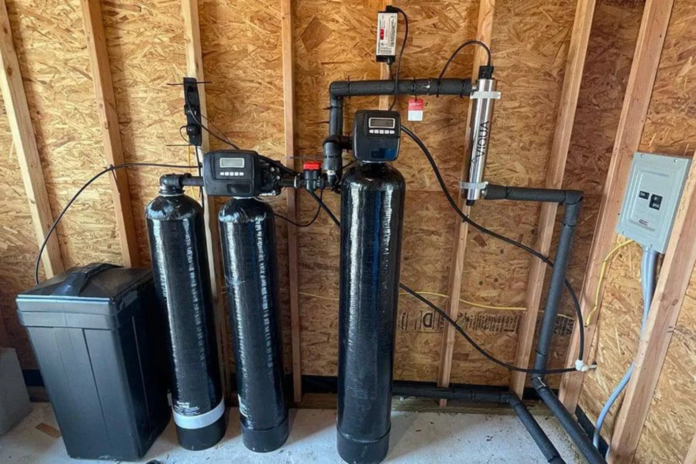
Showers, laundry, dishwashing, cooking — all of these rely on water quality. That’s why systems designed for whole home filtration are becoming increasingly popular. Instead of treating water at a single point, these systems filter water as it enters the house, ensuring consistency across every tap.
The result isn’t dramatic in appearance, but the difference becomes noticeable over time. Hair feels softer, dishes rinse more cleanly, and plumbing fixtures stay free from buildup longer.
It’s one of those upgrades you don’t think about daily — yet you’d quickly miss if it disappeared.
Why Chlorine Matters More Than You Think
One of the most common chemicals present in municipal water is chlorine. It’s essential for disinfecting water supplies, helping prevent harmful bacteria growth.
However, chlorine also has side effects many homeowners experience without realizing it. It can create an unpleasant taste or smell. It may dry out skin and hair, especially with frequent exposure.
That’s why many water systems focus specifically on chlorine removal as part of their filtration process. Activated carbon filters, for example, are particularly effective at reducing chlorine levels while preserving beneficial minerals.
When chlorine levels are reduced, people often notice immediate improvements — not just in drinking water taste, but also in shower comfort and overall household use.
It’s a small change that tends to feel surprisingly significant.
Protecting Your Home Infrastructure
Beyond comfort, water quality has a practical side that’s often overlooked: protecting the home itself.
Minerals, sediments, and chemical compounds can accumulate inside pipes over time, leading to reduced water pressure and increased maintenance costs. Appliances such as water heaters, dishwashers, and washing machines may work harder when exposed to untreated water.
Proper filtration plays a key role in contaminant reduction, helping minimize these long-term effects.
By removing particles and chemicals before they enter plumbing systems, filtration reduces wear and tear on household infrastructure. It’s a preventive approach — one that saves both time and money over the years.
In many ways, it’s similar to regular car maintenance. You don’t notice its benefits immediately, but you certainly appreciate them later.
Health and Peace of Mind
While municipal water is generally safe, additional filtration provides an extra layer of reassurance.
Trace contaminants — such as heavy metals, agricultural runoff, or organic compounds — may exist in small amounts that meet safety guidelines but still concern homeowners.
Advanced filtration systems can address these concerns, offering greater control over water quality and allowing households to feel more confident about what they’re consuming.
That sense of control is important. It transforms water from something passively accepted into something actively managed.
The Subtle Impact on Daily Life
Perhaps the most interesting part of improved water quality is how quietly it enhances daily routines.
Coffee tastes richer. Tea brews more cleanly. Fresh produce rinses more effectively. Even simple tasks like washing hands feel more refreshing.
None of these changes are dramatic on their own. But together, they create a noticeable shift in everyday comfort.
Water quality improvements don’t draw attention to themselves — they simply make life run more smoothly.
A Thoughtful Investment for the Future
For many homeowners, investing in water treatment isn’t just about current needs. It’s about long-term sustainability and efficiency.
Reduced detergent usage, longer appliance lifespan, and decreased reliance on bottled water all contribute to both financial savings and environmental benefits.
In that sense, water filtration becomes more than a convenience — it becomes part of a broader approach to smarter home management.
The Quiet Value of Better Water
At its core, water is simple. It flows, it cleans, it hydrates. Yet its quality influences far more than we often realize.
Improving water quality doesn’t necessarily change how water looks. Instead, it changes how it feels — how it tastes, how it interacts with your home, and how it supports your daily routines.
And perhaps that’s why more people are paying attention today.
Because when water works at its best, it doesn’t just serve a purpose. It quietly improves the rhythm of everyday life — one glass, one shower, one small moment at a time.

