
There’s a moment many homeowners recognize. You pour a glass of water from your purifier, take a sip, and something feels… off. Maybe the taste is flat. Maybe the flow feels slower than usual. Or maybe there’s just a quiet suspicion that the system that once made your tap water crystal clean isn’t working the way it used to.
Reverse osmosis systems are incredibly reliable, but like any hardworking appliance, they depend on small components that need attention from time to time. Filters wear down, membranes clog, minerals shift. It happens slowly—so slowly that we often forget how important these tiny parts are until the water reminds us.
Let’s talk about those parts for a moment, because understanding them can make the difference between average water and genuinely great drinking water.
The Quiet Hero Inside Your RO System
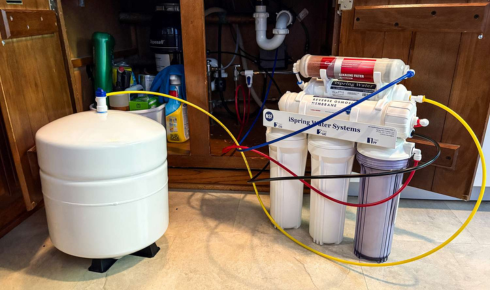
At the heart of every reverse osmosis purifier lies a thin but powerful component: the ro replacement membrane. It’s easy to overlook because you rarely see it, but this membrane is the real workhorse of the entire filtration process.
Imagine an ultra-fine barrier that allows water molecules to pass through while rejecting dissolved salts, heavy metals, bacteria, and other contaminants. That’s essentially what the membrane does every single day.
Over time, though, the membrane becomes tired. Minerals accumulate. Tiny particles build up. The result? Slower filtration and water that might not taste as crisp as it once did.
Many people assume the whole purifier has gone bad when the reality is much simpler. In most cases, replacing the membrane restores the system almost instantly. It’s a bit like putting fresh tires on a car—the engine was always fine, but the ride becomes smoother again.
One small change, surprisingly noticeable results.
Why the First Filter Matters More Than You Think
Before water ever reaches the membrane, it passes through an important first stage called the pre filter. This step might sound minor, but it actually protects everything that comes after it.
Think of the pre-filter as the gatekeeper. Its job is to trap larger particles such as dust, sand, rust, and sediment that often enter municipal or borewell water supplies. Without this stage, those particles would hit the membrane directly, clogging it far sooner than expected.
Here’s a simple analogy: imagine washing vegetables without rinsing off the dirt first. The cooking pot would end up full of mud. The same idea applies to filtration systems.
When the pre-filter is clean and working well, it dramatically extends the life of the membrane. When it’s clogged or overdue for replacement, the rest of the system works harder than it should.
It’s one of those behind-the-scenes components that quietly saves money and improves performance at the same time.
Taste Isn’t Just About Clean Water
Now here’s something interesting. Pure water—technically speaking—doesn’t actually have much taste at all. Reverse osmosis systems remove most dissolved minerals, which is great for safety but sometimes leaves the water feeling a little “empty.”
That’s where the ro alkaline filter comes in.
This stage gently adds beneficial minerals such as calcium and magnesium back into the purified water. The result isn’t just healthier water—it’s better-tasting water.
People often describe the difference as subtle but refreshing. Instead of a flat or slightly acidic taste, the water feels smoother and more balanced. Many families say it reminds them of natural spring water.
And there’s another small bonus: slightly alkaline water can help neutralize acidity in the body, though opinions vary among nutrition experts. Regardless of the health debate, one thing is almost universally agreed upon—it improves flavor.
If you’ve ever wondered why some purified water tastes dull while other systems produce crisp, lively water, the mineral stage is often the reason.
Signs Your RO System Might Need Attention
Water purifiers rarely fail dramatically. More often, they whisper their problems through small changes.
You might notice the flow rate dropping. Filling a bottle suddenly takes longer than it used to. Sometimes the taste changes, becoming slightly metallic or bland.
Occasionally, the purifier runs longer cycles than usual, almost as if it’s working overtime.
These are all subtle clues.
Many technicians recommend checking filters every 6–12 months depending on usage and water quality. Homes with harder water or heavy sediment may need replacements more frequently.
Ignoring maintenance doesn’t usually cause immediate damage, but it does slowly reduce efficiency. And over time, that means higher costs and less reliable filtration.
Regular replacement keeps the system humming quietly in the background—exactly where it belongs.
The Comfort of Clean Water at Home
We tend to take drinking water for granted, especially when a purifier sits on the kitchen counter doing its job day after day. But pause for a moment and consider how remarkable that convenience really is.
With the right filtration system, water that once contained impurities becomes safe, clear, and pleasant to drink within seconds. No boiling. No plastic bottles. No uncertainty.
Just a glass of water, ready when you are.
Maintaining the small components that make this possible isn’t complicated. A fresh membrane, a clean sediment filter, and a mineral stage working properly can transform the performance of an entire system.
And perhaps that’s the quiet beauty of modern water filtration: a few thoughtful upgrades here and there, and suddenly the simplest thing—drinking water—feels just a little more refreshing again.

