
Walk into a busy restaurant, a grocery store, or even a large office building, and you’ll notice the obvious things first — the lighting, the layout, the people moving around with purpose. What you won’t notice is what’s quietly keeping everything running smoothly.
The temperature feels just right. The air circulates comfortably. Food stays fresh. Equipment operates without interruption.
All of this happens because of systems most customers never think about — complex networks working silently in the background to maintain stability.
And when they fail, that silence disappears quickly.
Why Climate Stability Is Essential for Business Operations
Unlike residential spaces, commercial environments have far more demanding climate requirements. Larger square footage, higher occupancy, and continuous equipment usage all place greater strain on heating and cooling systems.
Employees need comfortable working conditions to remain productive. Customers expect a pleasant indoor environment when they enter a business. Even small temperature fluctuations can affect how people perceive a space.
This is why many organizations rely heavily on commercial hvac services to maintain consistent indoor conditions. Regular inspections, performance monitoring, and system optimization ensure that heating and cooling equipment operates efficiently throughout the year.
Without proper maintenance, minor issues can escalate into major disruptions — affecting everything from employee comfort to operational continuity.
And in business, consistency is everything.
The Critical Role of Temperature Control in Food Safety
For industries dealing with perishable goods, temperature management becomes even more crucial. Restaurants, supermarkets, and food processing facilities depend on precise cooling conditions to preserve product quality and safety.
Commercial refrigeration systems play a central role in this process. They regulate storage temperatures, prevent spoilage, and help businesses comply with strict health regulations.
Even small temperature deviations can lead to significant losses. Food spoilage, equipment damage, and regulatory violations can all result from inadequate refrigeration performance.
Routine maintenance and timely repairs help ensure these systems function reliably, protecting both inventory and reputation.
Because in food-related industries, reliability isn’t just about efficiency — it’s about trust.
Specialized Cooling for High-Volume Storage Needs
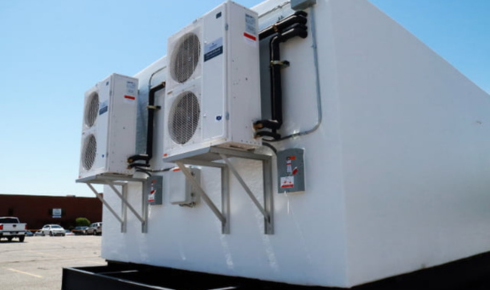
Many commercial operations require dedicated storage solutions for large quantities of temperature-sensitive goods. This is where walk-in coolers become essential.
Unlike standard refrigeration units, walk-in coolers provide spacious, controlled environments for bulk storage. Restaurants use them to store fresh ingredients. Pharmaceutical facilities rely on them for temperature-sensitive medications. Floral businesses depend on them to preserve delicate inventory.
These systems must maintain precise temperature ranges continuously, often under heavy usage conditions.
Proper installation and routine servicing help ensure consistent performance. Even minor malfunctions can quickly lead to product loss or operational disruption.
For businesses that depend on reliable storage conditions, walk-in coolers represent an indispensable part of their infrastructure.
The Emotional Impact of Reliable Systems
While technical performance is essential, reliable climate and cooling systems also influence emotional aspects of business operations.
Employees feel more comfortable working in stable environments. Customers are more likely to trust businesses that maintain clean, temperature-controlled spaces.
When systems function smoothly, they create a sense of stability that supports both productivity and customer satisfaction.
Conversely, recurring equipment issues can lead to stress, operational delays, and negative customer experiences.
Maintaining reliable systems isn’t just about technical performance — it’s about creating an environment where people feel confident and comfortable.
Preventive Maintenance: The Key to Long-Term Reliability
One of the most effective strategies for avoiding system failures is preventive maintenance. Regular inspections allow technicians to identify potential issues before they become serious problems.
Cleaning components, checking refrigerant levels, and monitoring airflow all contribute to improved system efficiency and longevity.
Preventive care often reduces long-term costs by minimizing emergency repairs and extending equipment lifespan.
Many businesses find that investing in routine maintenance pays significant dividends in both operational stability and financial savings.
Because in commercial settings, preventing disruptions is always more cost-effective than reacting to them.
Small Improvements That Deliver Big Benefits
Enhancing climate and refrigeration performance doesn’t always require large-scale upgrades. Often, targeted adjustments can produce meaningful results.
Improving insulation, optimizing airflow distribution, and upgrading control systems can significantly enhance efficiency.
Over time, these incremental improvements help businesses maintain consistent environmental conditions while reducing energy consumption.
Many organizations are surprised by how much difference small adjustments can make.
Because reliability often comes from attention to detail rather than dramatic changes.
The Role of Technology in Modern Climate Management
Advancements in technology have transformed commercial climate control in recent years. Smart monitoring systems now allow businesses to track equipment performance in real time.
Automated alerts notify technicians of potential issues before they affect operations. Energy-efficient designs help reduce environmental impact while maintaining consistent performance.
These innovations provide businesses with greater control and flexibility, allowing them to respond quickly to changing conditions.
However, even advanced systems require proper installation and maintenance to function effectively.
Technology enhances reliability, but expertise ensures it works as intended.
A Thoughtful Ending: The Invisible Foundation of Business Success
In any business, success depends on countless visible factors — customer service, product quality, and operational efficiency.
But beneath all of these lies an invisible foundation: reliable climate and cooling systems that support daily operations without drawing attention.

