
Most people don’t think much about water until something feels wrong. Maybe the tap water suddenly smells strange after heavy rain. Maybe there’s a boil advisory in the area, or someone in the house starts questioning whether bottled water is safer than what’s coming out of the kitchen faucet.
It’s funny how quickly water moves from “background part of life” to something we suddenly pay very close attention to.
And honestly, that shift makes sense. Water is involved in almost every routine we have. Cooking, coffee, showers, washing vegetables, brushing teeth — it’s constant. So when concerns about cleanliness or bacteria enter the conversation, people naturally start looking for solutions that feel dependable without turning life upside down.
That’s where modern water disinfection systems have quietly become an important part of many homes and businesses.
Clean-Looking Water Isn’t Always Clean Water
One of the biggest misconceptions people have is assuming clear water automatically means safe water. Unfortunately, that’s not always true.
Water can appear perfectly normal while still carrying microorganisms or contaminants you’d never notice with the naked eye. That idea alone makes some homeowners uneasy, especially families with children, older relatives, or anyone with a sensitive immune system.
I remember talking to someone who relied on well water for years without any major issues. Then after seasonal flooding nearby, their water suddenly developed an odd smell. That experience changed how they thought about water safety completely. They stopped assuming “it’s probably fine” was good enough.
Truthfully, many people only start researching water treatment after a moment like that.
Why More Homes Are Turning to UV Technology
There are plenty of ways to improve water quality, but ultraviolet treatment has gained attention because it works quietly and efficiently without adding chemicals into the water itself.
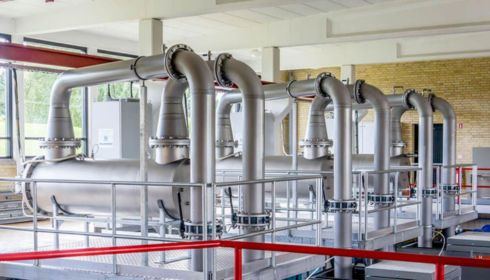
Modern ultra violet water disinfection systems use UV light to target bacteria, viruses, and microorganisms before the water reaches faucets and appliances. It sounds high-tech, but the idea is surprisingly straightforward.
The appeal for many homeowners is simplicity. There’s no strong chemical smell, no dramatic change in taste, and very little interruption to daily routines. The system simply works in the background.
That “set it and forget it” feeling matters more than people realize, especially in busy households.
Water Safety Is About Peace of Mind Too
When people discuss filtration or treatment systems, conversations often focus on technical specifications. Gallons per minute. Filter micron ratings. Maintenance schedules.
But most homeowners aren’t thinking about water in technical terms every day. They’re thinking emotionally.
They want to know their kids can fill a glass from the sink safely. They want showers that feel clean. They want confidence that the water being used to cook meals isn’t carrying hidden issues.
That peace of mind becomes especially important in rural areas or homes using private wells, where municipal oversight isn’t always part of the equation.
UV Systems Work Quietly in the Background
One reason homeowners appreciate uv water disinfection technology is because it doesn’t dramatically change the feel of water itself. Unlike some treatment methods that alter taste or texture, UV systems focus primarily on neutralizing harmful microorganisms.
In practical terms, that means families can continue using their water normally while adding another layer of protection behind the scenes.
And honestly, people like invisible convenience. Nobody wants their home to feel complicated. Good systems tend to fade into the background once they’re installed properly.
Water Treatment Isn’t Just for Drinking
A lot of people initially think water treatment only matters for what comes out of the kitchen sink. But water touches nearly every part of a home.
Showers. Laundry. Ice makers. Dishwashers. Bathroom sinks. Cooking pots.
If there’s a water issue, chances are it affects more than one area of daily life. That’s why many homeowners now approach water disinfection as part of a broader strategy rather than a single quick fix.
Some combine UV systems with filtration units or softeners depending on their local water conditions. Others focus specifically on well water treatment after testing reveals bacterial concerns.
Every household is a little different, which is why testing and proper system selection matter so much.
The Importance of Proper Maintenance
Like most home equipment, water treatment systems work best when maintained correctly. UV lamps eventually need replacement, and filtration components require periodic attention to stay effective.
The good news is modern systems are generally much easier to manage than people expect. Many newer models include monitoring features or alerts that simplify maintenance schedules.
Still, professional servicing makes a difference. Installation quality affects long-term performance more than many homeowners realize.
I’ve heard stories of people blaming a system itself when the real issue was poor setup from the beginning. Water treatment isn’t something most homeowners want to gamble on halfway.
Cleaner Water Changes Everyday Living in Small Ways
What’s interesting about improving water safety is how quickly it becomes normal. At first, people actively think about it every time they fill a glass or turn on the shower.
Then eventually, it just becomes part of daily life — quiet confidence in the background.
You stop worrying about odd tastes. You stop second-guessing the safety of your water after storms or infrastructure issues nearby. The house simply feels healthier somehow.
And maybe that’s the real value of better water systems. Not flashy technology or complicated features, but the ability to stop thinking about water problems altogether.
Because when water feels safe, clean, and reliable, everyday life gets just a little easier without anyone really noticing why.

