
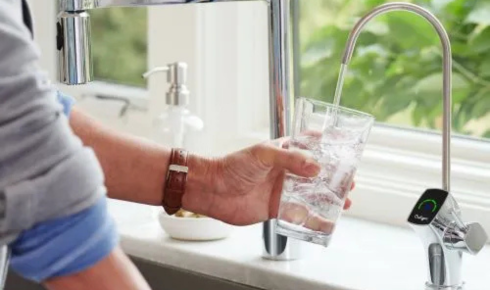
It doesn’t happen all at once. There’s no sudden alarm or dramatic change. It’s more like a slow awareness creeping in — maybe while making tea, or rinsing vegetables at the sink. You pause for a second, noticing something feels slightly off. Not bad, just… different.
Water is one of those things we rarely question. It’s always been there, doing its job quietly in the background. But when you start paying attention, you realize it’s not as simple as turning a tap and trusting everything is fine.
The Subtle Clues We Often Ignore
Most homes don’t experience obvious water problems. Instead, it’s the little things that show up first. A faint aftertaste. Spots on glassware. A kettle that needs cleaning more often than it should.
At first, you shrug it off. Life’s busy, and these things don’t feel urgent. But they stick around. And eventually, they make you curious.
That curiosity is usually where the journey begins — not because something is wrong, but because you want something better.
Rethinking What We Drink Every Day
When we talk about water, we tend to focus on what we drink directly. A glass at dinner, a bottle on the go. But the truth is, drinking water plays a bigger role than we often acknowledge.
It’s in your morning coffee, your cooking, even the ice cubes you drop into a glass on a hot day. If the water isn’t quite right, those small moments feel slightly off too.
And once you notice it, it’s hard to go back to not noticing.
The Quiet Role of Filtration
Improving water doesn’t have to mean a complete overhaul. Sometimes, it starts with something simple — understanding how filtration works and what it can actually do.
At its core, water filtration is about removing what you don’t want while keeping what you do. Sounds straightforward, but the methods vary quite a bit. Some systems focus on taste, others on specific impurities, and some aim for a more comprehensive approach.
The key isn’t choosing the most advanced option right away. It’s choosing something that aligns with your needs — something that makes sense for your home and how you use water daily.
When You Want a Deeper Level of Clean
For those who decide to go a step further, more advanced solutions start to come into play. Not because they’re necessary for everyone, but because they offer a level of thoroughness that basic filtration sometimes doesn’t.
That’s where reverse osmosis systems come in. They work by pushing water through a semi-permeable membrane, removing a wide range of dissolved solids and impurities. It’s a more refined process, one that focuses on achieving a higher standard of purity.
What’s interesting is how subtle the result feels. The water doesn’t suddenly taste dramatically different — it just feels cleaner, lighter. Like something has been quietly improved without making a fuss about it.
The Ripple Effect in Daily Life
One of the things people often don’t expect is how water quality affects more than just taste. It shows up in small, almost unnoticed ways.
Your coffee tastes more balanced. Your cooking feels a bit more consistent. Even cleaning tasks become slightly easier when water behaves the way it should.
None of this feels life-changing on its own. But together, these small shifts create a sense of comfort — like things are working just a little better than before.
Finding Your Own Balance
It’s easy to get caught up in comparisons when looking at water solutions. Different systems, different features, different promises. It can feel like you need to understand everything before making a decision.
But you don’t.
Start with what you notice. Trust those small observations — they’re often more accurate than you think. From there, explore options gradually. There’s no need to rush into the most complex setup right away.
Sometimes, the best approach is the one that feels natural, not overwhelming.
A Change That Becomes Invisible
The funny thing about improving your water is that, over time, it stops feeling like a change at all. It just becomes part of your routine.
You fill a glass without hesitation. You cook, clean, and go about your day without that quiet doubt in the back of your mind.
And maybe that’s the real goal — not to think about water constantly, but to trust it completely.
Because when something as essential as water feels dependable, everything else seems to fall into place just a little more easily.

