
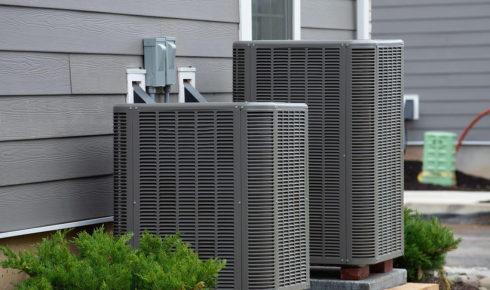
There’s a certain kind of relief that only a well-cooled room can give. You walk in from the heat, maybe after a long day, and suddenly everything feels lighter. Not perfect, not dramatic — just… easier. It’s one of those everyday comforts we don’t think much about, until it’s missing.
And oddly enough, a lot of that comfort depends on decisions made long before you ever switch the AC on. Small choices, quiet details — the kind you barely notice unless something goes wrong later.
Why Installation Is More Than Just “Setting It Up”
A lot of people assume installing an air conditioner is straightforward. Buy a unit, get it mounted, plug it in, and you’re good to go. Simple, right? Well… not quite.
Proper air conditioner installation is less about the unit itself and more about how it fits into your home. Every space behaves differently. Some rooms trap heat more than others. Some get direct sunlight all afternoon. Even ceiling height plays a role.
If installation is rushed or treated like a routine task, those details get overlooked. And the result? Uneven cooling, higher electricity bills, or a system that seems to struggle no matter how often it runs.
I’ve seen homes where the AC worked constantly but never quite cooled the space properly. Not because the unit was bad — but because it wasn’t installed with the room in mind.
The Balance Between Power and Efficiency
There’s this common belief that bigger is better when it comes to cooling systems. More power means faster cooling, right? It sounds logical, but in practice, it can backfire.
An oversized unit cools the room too quickly, which might seem like a good thing at first. But it doesn’t run long enough to remove humidity from the air. So you end up with a space that feels cool, but slightly damp or uncomfortable.
On the other hand, a unit that’s too small will run endlessly, trying to keep up, consuming more energy in the process.
That’s where the idea of energy efficient cooling really comes into play. Efficiency isn’t just about saving on electricity bills — it’s about creating a system that works in harmony with your space. One that cools steadily, maintains balance, and doesn’t feel like it’s constantly overworking.
And honestly, when a system is truly efficient, you don’t notice it. It just quietly does its job.
Why Sizing Isn’t Guesswork
If there’s one thing that tends to get underestimated, it’s how important sizing is. Not just the size of the unit itself, but how that size relates to the space it’s meant to cool.
Proper system sizing takes into account more than just square footage. It looks at insulation, window placement, occupancy, even how often doors are opened and closed.
It’s a bit like tailoring clothes. You could wear something off the rack, and it might be okay. But when something is tailored to fit you exactly, you feel the difference immediately.
The same goes for HVAC systems. When they’re sized correctly, everything feels more balanced. The temperature stays consistent, the system doesn’t strain, and you’re not constantly adjusting settings.
The Subtle Impact of Airflow
Airflow is one of those things you don’t really think about until it feels wrong. Maybe one room is always cooler than the others, or there’s a spot where the air just doesn’t seem to reach.
Often, this has less to do with the unit itself and more to do with how air moves through the space. Vent placement, duct design, even furniture layout can influence airflow in surprising ways.
I once visited a home where a large sofa was blocking a vent, completely disrupting the cooling pattern in the room. It’s such a small detail, but it made a noticeable difference.
Good installation considers these things. It’s not just about putting equipment in place — it’s about understanding how air will actually behave once everything is running.
Living With Your System, Not Fighting It
A well-installed cooling system doesn’t require constant attention. You shouldn’t have to keep adjusting the thermostat or moving from room to room looking for comfort.
But when something isn’t quite right, you start to notice it in small ways. Maybe you avoid certain rooms at certain times of the day. Maybe you rely on fans to “help” the AC do its job.
These are subtle signs that the system isn’t working as it should.
The goal isn’t perfection — it’s ease. A system that supports your routine, rather than forcing you to adapt to it.
Maintenance: The Part That Keeps Everything Working
Even the best system needs a bit of care. Filters need to be cleaned or replaced. Components need occasional checks. It’s not complicated, but it’s easy to overlook.
And when maintenance gets skipped, performance slowly declines. Not overnight, but gradually. The system becomes less efficient, works harder, and eventually, problems start to show.
A little attention, now and then, keeps everything running smoothly. It’s not about being overly cautious — just consistent.
The Bigger Picture of Comfort
At the end of the day, cooling isn’t just about temperature. It’s about how your home feels when you’re in it. Whether you can relax without thinking about the heat, whether your sleep feels uninterrupted, whether your space feels inviting rather than draining.
These things are easy to take for granted when everything is working well.
But they’re also easy to miss when something is slightly off.
Getting cooling right isn’t about chasing the latest technology or overthinking every detail. It’s about making thoughtful decisions early on — choosing the right system, installing it properly, and giving it the care it needs over time.
Because real comfort doesn’t come from constant adjustments or quick fixes. It comes from a system that quietly does its job, day after day, without asking for attention.
And honestly, that’s the kind of comfort most of us are looking for — even if we don’t always realize it.

