
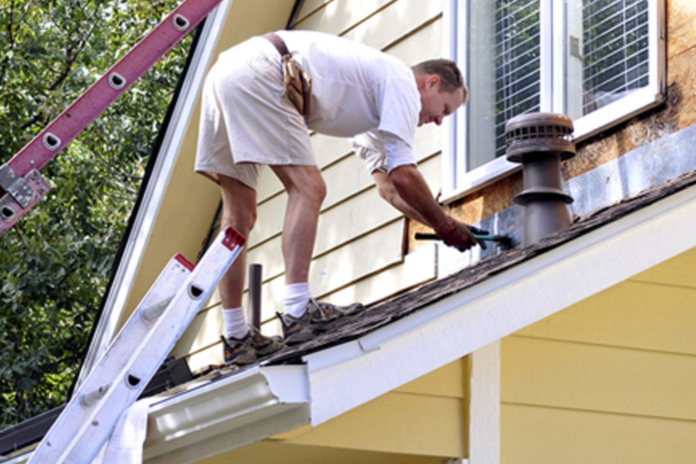
There’s a certain moment homeowners often talk about after completing an exterior upgrade. It’s not the first day when the work finishes — that’s usually busy, noisy, a bit chaotic. Instead, it’s the following week. Things have settled. The dust is gone. You step outside one morning, maybe to grab the mail, and suddenly you see your house differently.
It looks sharper. More solid. Somehow newer, even if it’s decades old.
But beyond appearances, there’s also a subtle sense of reassurance. You feel like the house is better prepared — stronger against weather, quieter inside, easier to maintain.
That’s the quiet transformation good siding can bring.
Why Siding Is More Important Than It Looks
Most people think of siding primarily as a visual feature. And yes, it plays a huge role in how a home looks from the street. But its function goes much deeper than aesthetics.
Siding acts as a protective barrier between the structure and the environment. It shields against rain, wind, temperature changes, and even pests. It helps regulate indoor temperature by supporting insulation layers underneath.
Over time, older siding can weaken. Small cracks appear. Paint fades faster. Panels may shift slightly due to repeated expansion and contraction.
When these signs appear, homeowners often start considering an upgrade — not just to improve appearance, but to restore protection and durability.
The Rise of Fiber Cement Siding
In recent years, fiber cement siding has become increasingly popular among homeowners looking for long-term reliability.
Unlike traditional wood or vinyl options, fiber cement is designed to resist moisture, fire, and insect damage. It also holds paint longer, reducing maintenance needs.
Many homeowners choose James Hardie fiber cement siding because of its reputation for strength and weather resistance.
This type of siding is engineered to withstand extreme conditions, making it especially suitable for regions with fluctuating weather patterns.
A Long-Term Investment in Protection
One of the biggest advantages of modern siding materials is their durability.
Properly installed siding provides consistent siding protection against moisture infiltration, which is one of the most common causes of structural damage.
Water that penetrates exterior walls can lead to mold growth, wood rot, and insulation deterioration.
By creating a strong protective layer, high-quality siding helps prevent these issues before they start.
This proactive protection reduces repair costs and extends the lifespan of the home’s structural components.
How Exterior Upgrades Affect Energy Efficiency
Siding improvements often lead to noticeable changes in indoor comfort.
Well-installed siding helps maintain stable indoor temperatures by reducing heat transfer. This means homes stay cooler during summer and warmer during winter.
As a result, heating and cooling systems don’t need to work as hard, leading to lower energy bills.
These efficiency gains accumulate over time, making siding upgrades both environmentally and financially beneficial.
The Visual Impact of Exterior Renewal
Beyond functional advantages, siding upgrades dramatically enhance curb appeal.
Fresh, well-aligned siding creates a clean and cohesive appearance that can transform the overall look of a property.
This visual improvement not only boosts homeowner pride but also increases property value.
For homeowners considering resale, updated siding often becomes one of the most influential factors in attracting potential buyers.
First impressions matter, and exterior appearance plays a significant role in shaping those impressions.
Maintenance Becomes Simpler
Another benefit of modern siding materials is reduced maintenance requirements.
Older materials may require frequent repainting, sealing, or repairs. In contrast, newer siding options are designed for long-term performance with minimal upkeep.
Homeowners often appreciate the convenience of siding that maintains its appearance without constant attention.
This ease of maintenance contributes to long-term satisfaction with exterior upgrades.
The Emotional Side of Exterior Improvements
There’s a personal dimension to exterior upgrades that often goes unspoken.
A refreshed exterior can change how homeowners feel about their property. It creates a sense of pride and connection.
Many people describe feeling more confident inviting guests or simply enjoying their home after exterior improvements are completed.
This emotional benefit adds to the overall value of the investment.
Timing Matters More Than Perfection
One of the biggest challenges homeowners face is knowing when to act.
Waiting until severe damage occurs can lead to more extensive repairs and higher costs.
Regular inspections help identify early signs of wear, allowing for timely upgrades before problems escalate.
Addressing issues proactively ensures long-term protection and performance.
A Strong Exterior Supports Everything Inside
Siding may seem like a surface-level feature, but it plays a foundational role in protecting the entire home.
From preventing moisture damage to improving energy efficiency and enhancing visual appeal, its impact extends far beyond appearance.
By investing in durable materials and professional installation, homeowners create a stronger, more reliable living environment.
Because in the end, the outside of your home isn’t just about how it looks — it’s about how well it quietly protects everything inside, day after day, season after season.

