
Most of us don’t think about water until something feels wrong. Maybe it’s a strange taste in your morning coffee, a stubborn white film on dishes, or that frustrating moment when the shower pressure suddenly drops halfway through rinsing shampoo. Water, in many ways, is one of those silent systems in a home — always present, rarely noticed, and deeply missed when it doesn’t behave as expected.
But once you start paying attention, you realize how much your daily comfort depends on the quality and performance of your home’s water setup. It’s not just about having access to water — it’s about how that water flows, feels, tastes, and interacts with everything around it.
Hard Water: The Quiet Trouble Maker
Let’s start with one of the most common household issues — hard water. It’s not dangerous, but it can be surprisingly disruptive over time. Hard water contains high levels of minerals like calcium and magnesium, which gradually leave behind scale deposits.
At first, it seems minor. A little chalky residue on the sink. Soap that doesn’t lather quite right. Towels that feel stiff even after washing. But over months and years, these minerals begin to build up inside pipes, appliances, and water heaters.
That’s where water softeners come into the picture. These systems remove excess minerals and replace them with softer ions, improving water quality in ways that go beyond simple comfort. Softened water helps extend the lifespan of plumbing systems, reduces maintenance costs, and even improves the effectiveness of cleaning products.
Many homeowners describe the difference as subtle but unmistakable — like switching from rough cotton sheets to something smoother. You don’t notice it instantly, but once you do, it becomes hard to go back.
Clean Water Isn’t Always Truly Clean
Another reality people often overlook is that clear water isn’t always pure water. Even when water looks clean, it can contain chlorine, sediments, microscopic contaminants, or trace metals depending on the source and treatment process.
Municipal treatment plants do an essential job, of course, but their goal is to make water safe — not necessarily optimized for taste or long-term home use.
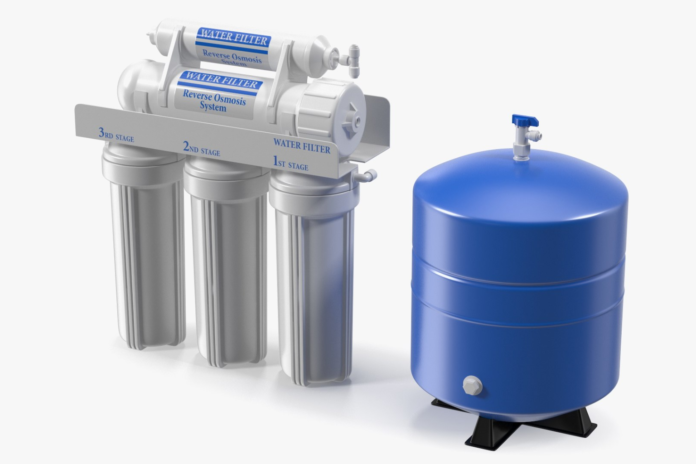
This is why many households turn to water filtration systems. These systems remove unwanted particles, improve taste, and reduce potential irritants that affect both drinking water and daily usage.
Filtered water often feels noticeably fresher. Coffee tastes richer, cooking results improve, and even ice cubes appear clearer. It’s a small upgrade that quietly transforms everyday experiences in the kitchen.
More importantly, filtration provides a sense of reassurance. It reduces uncertainty about what might be present in the water flowing into your home.
The Role of Pressure and Flow
Water quality isn’t just about what’s in the water — it’s also about how it moves. Poor water pressure can turn simple tasks into daily frustrations. Weak showers, slow-filling washing machines, and inconsistent faucet flow all point to underlying system challenges.
This is where pump systems play a crucial role. These systems regulate water pressure, ensuring consistent flow throughout the home. They are especially important in multi-story houses, areas with fluctuating supply, or properties relying on well water.
A properly functioning pump system doesn’t just improve convenience — it enhances efficiency. Appliances operate more effectively, irrigation systems perform reliably, and overall water distribution becomes balanced and predictable.
It’s one of those upgrades people rarely think about until they experience the difference firsthand.
The Hidden Financial Benefits
Improving water systems isn’t just about comfort — it also makes financial sense over time. Hard water buildup can reduce water heater efficiency, forcing appliances to work harder and consume more energy.
Similarly, poor water quality can shorten the lifespan of fixtures and equipment, leading to frequent repairs or replacements.
By addressing water softness, filtration, and pressure management, homeowners can significantly reduce long-term maintenance costs. It’s a classic example of preventive investment — small improvements today that prevent larger expenses tomorrow.
Health and Wellbeing: The Often Overlooked Factor
There’s also a personal aspect to water quality that goes beyond technical performance. Hard or chemically treated water can contribute to dry skin, brittle hair, and irritation, particularly for people with sensitive skin conditions.
Softened and filtered water often feels gentler during bathing and washing. Many people notice smoother hair, reduced skin dryness, and a more comfortable overall experience.
It’s not something we always associate with water systems, but the connection becomes clear once improvements are made.
Technology Is Changing the Game
Modern water systems are becoming smarter and more efficient. Many newer solutions include automated monitoring, allowing homeowners to track water usage, system performance, and maintenance needs through digital interfaces.
Some systems can even adjust automatically based on consumption patterns, ensuring optimal performance while minimizing waste.
This integration of technology makes water management more proactive rather than reactive. Instead of waiting for problems to appear, homeowners can address issues before they escalate.
A Quiet Foundation of Everyday Life
At its core, a home’s water system is one of its most fundamental foundations. It supports cooking, cleaning, bathing, and countless daily routines that we often take for granted.
When water quality and flow are optimized, life simply feels smoother. Tasks become easier, appliances last longer, and everyday comfort improves in subtle but meaningful ways.
Perhaps that’s the most interesting thing about water systems — their impact is rarely dramatic, but it’s deeply constant. They operate quietly in the background, shaping daily life in ways we barely notice until something goes wrong.
And once you experience the difference that improved water softness, filtration, and pressure can make, you realize something simple yet powerful: reliable water isn’t just about utility — it’s about peace of mind.

