
If you’ve lived in Tampa long enough, you develop a relationship with the water. Not a dramatic one—more like a quiet understanding. You learn that glasses don’t always dry spotless. That soap sometimes feels like it’s working against you. That white residue on faucets shows up faster than you expect, even in a clean house. None of this feels urgent, but it’s persistent. And persistence has a way of nudging people toward change.
Hard water isn’t a crisis. It’s more like background noise. You can live with it, absolutely. But once you start paying attention, you realize how much effort goes into managing something that could be… easier.
When Everyday Frustrations Add Up
Most homeowners don’t wake up one morning determined to solve their water issues. It happens gradually. A plumber mentions mineral buildup during a routine visit. A washing machine doesn’t seem to last as long as it should. Your skin feels dry no matter how expensive the moisturizer is. These moments pile up quietly.
In Tampa, mineral-heavy water is common, and that means calcium and magnesium tagging along for the ride. They’re not villains, but they are stubborn. Over time, they cling to pipes, appliances, fixtures—anything they pass through. That clinginess is what turns small inconveniences into ongoing maintenance.
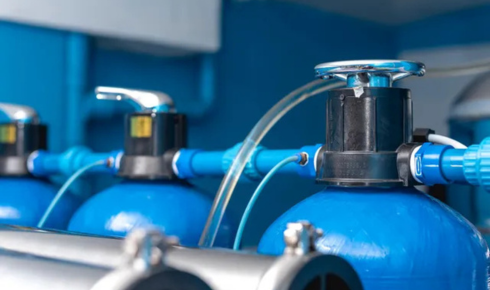
This is often when people start Googling things late at night, half-curious, half-annoyed, eventually landing on options like a water softener tampa fl homeowners actually trust. Not because they want luxury, but because they want fewer chores and fewer surprises.
The Science Behind the Annoyance (Without the Lecture)
Hard water minerals aren’t harmful in the way contaminants are, but they’re disruptive. They interfere with soap’s ability to lather, which is why shampoo feels different and dishes don’t come out quite right. They leave behind residue that builds slowly, layer by layer, until it’s suddenly everywhere.
Systems designed to reduce hard water minerals don’t remove water’s usefulness—they rebalance it. The goal isn’t to strip water down to nothing, but to make it cooperative. When minerals stop fighting your appliances and cleaning products, everything works more smoothly.
People often describe the change in sensory terms. Towels feel softer. Hair feels less brittle. Showers feel gentler, even if the pressure hasn’t changed. These aren’t dramatic transformations, but they’re noticeable enough that going back feels impossible.
A House That Feels Less Tired
There’s an interesting emotional component to water quality that doesn’t get talked about much. Hard water makes homes feel worn out faster than they should. Fixtures lose their shine. Appliances age prematurely. You clean, but things never quite look finished.
Once mineral issues are addressed, homes tend to age more gracefully. Faucets stay cleaner longer. Shower doors don’t cloud as quickly. Coffee makers don’t clog as often. These details might sound small, but together they create a sense that the house is working with you, not against you.
From a practical standpoint, the benefit is just as real. Treating water helps prevent scale buildup, which means pipes stay clearer and heating elements don’t have to work overtime. Over years, that translates into fewer repairs and longer equipment life. It’s not exciting, but it’s effective—and homeowners tend to appreciate that kind of reliability.
Not About Perfection, Just Balance
There’s a misconception that installing a softener means chasing “perfect” water. That’s rarely the motivation. Most people just want water that behaves predictably. Water that doesn’t leave behind evidence every time it dries. Water that doesn’t quietly shorten the lifespan of expensive appliances.
Softening isn’t about removing everything—it’s about restoring balance. When water is balanced, daily routines become less demanding. You use less soap. You scrub less often. You replace fewer parts. The system fades into the background, which is exactly where good home upgrades belong.
Tampa Living Comes With Tradeoffs
Every place has its quirks. Tampa gives you sunshine, palm trees, and warm evenings most of the year. In exchange, you get humidity—and mineral-rich water. That tradeoff isn’t a dealbreaker; it’s just part of the package.
What’s changed over time is how willing people are to accept discomfort as “just the way it is.” With better technology and more accessible solutions, homeowners are less inclined to tolerate avoidable hassle. They’re not trying to control nature—they’re just smoothing out the rough edges.
The Cost Conversation (And Why It Shifts)
Money always enters the discussion at some point. Installing a system requires investment, and that gives people pause. But the conversation often shifts once long-term costs come into view.
Bottled water adds up. Appliance repairs add up. Plumbing issues caused by scale buildup add up. Even the time spent cleaning and re-cleaning the same surfaces has value, though it’s harder to quantify.
When water quality improves, many of these ongoing expenses shrink or disappear. The payoff isn’t instant, but it’s steady. And steady improvements tend to feel more trustworthy than flashy ones.
A Change You Stop Thinking About
One of the clearest signs that a water upgrade worked is how quickly you stop thinking about it. You don’t notice the absence of scale—you just notice that cleaning takes less effort. You don’t marvel at softer towels—you just fold them and move on.
That mental quiet is part of the benefit. Life already demands enough attention. Water doesn’t need to compete for it.
A Thoughtful Ending
Hard water doesn’t announce itself as a problem. It settles in quietly, asking for small concessions over time. More cleaning here. More maintenance there. Most people adapt without realizing how much energy they’re spending.
Choosing to improve water quality isn’t about fixing something broken. It’s about choosing ease over friction. Comfort over constant upkeep. And in a place like Tampa, where the goal is often to slow down and enjoy the environment, that choice makes a lot of sense.
Sometimes the best improvements aren’t the ones you show off. They’re the ones that quietly make everyday life feel lighter.

