
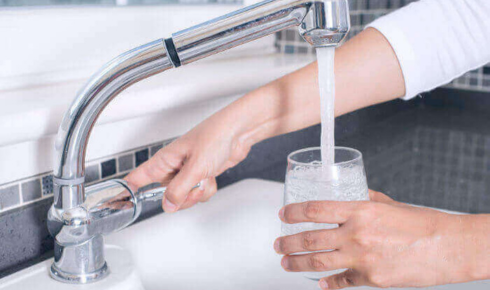
Let’s face it—water’s one of those things you just expect to work. You turn on the tap, fill a glass, take a shower, run the dishwasher… and that’s supposed to be the end of it. But what happens when your water starts acting… weird? Maybe it smells off. Tastes metallic. Leaves behind chalky spots on dishes. Or worse, you just don’t trust it anymore.
Welcome to the subtle but stubborn world of water problems—the kind that sneak up quietly but end up messing with your routine, your appliances, and sometimes even your health.
—
When “Clean” Isn’t Quite Clean
Most people assume if water comes from a city or municipal source, it’s clean. Safe. Untouchable. But here’s the uncomfortable truth: safe doesn’t always mean good. Water can pass regulatory standards and still cause all kinds of headaches in your home. And rural folks on well systems? They’ve got a whole different maze of issues to sort through.
You don’t need to be a water expert to know something’s off. Discoloration, strange tastes, residue, smells—your senses are often the first warning signs that something’s not right.
—
The Mineral Menace: Understanding Hard Water
One of the most common culprits? Hard water. Sounds tough, right? And it kind of is. It’s packed with dissolved minerals—mostly calcium and magnesium—that leave behind a trail of trouble. Think white crust on your faucets, dry hair after showers, and soap that just won’t lather no matter how much you pour.
What’s worse, hard water doesn’t just look bad—it shortens the life of your plumbing and appliances. Water heaters, dishwashers, washing machines… all slowly get choked with scale buildup over time. You may not notice it at first, but the damage adds up in the background.
Fixing hard water isn’t about overhauling your entire plumbing system. Softeners, conditioners, and filters offer solid solutions depending on your setup. The key is knowing it’s there—and doing something about it before it takes a toll.
—
Something Smells Fishy… or Sulfuric
Okay, let’s talk about the nose. If your water smells like rotten eggs, that’s a red flag. The likely offender? Hydrogen sulfide gas. But that’s not the only smell you might catch. Metallic, chlorine-like, musty—none of these are signs of happy, healthy H2O.
Smelly water can come from several sources—old pipes, bacteria, decaying organic matter, or chemical residues. And while some smells aren’t technically harmful, let’s be real—no one wants to drink water that smells like a swamp or a pool.
Deodorizing your water isn’t about covering up the scent. It’s about treating the cause. Activated carbon filters can handle many odor-causing compounds, but if the smell is microbial in nature, you might need a disinfection system like UV or ozone. It depends on what you’re up against.
—
The Invisible Enemy: Contaminants That Don’t Warn You
Not all water woes come with signs you can see or smell. And honestly, that’s what makes them so scary. Contaminated water often looks perfectly fine—but might still carry bacteria, lead, pesticides, or nitrates that pose long-term health risks.
Many homeowners find out only after a test—or, worse, after a health issue sparks suspicion. If your home was built before the 1980s, old lead pipes might still be in play. If you’re near farmland, fertilizer runoff could be creeping into your groundwater. Industrial areas bring their own risk cocktails.
This isn’t about paranoia. It’s about awareness. Testing your water—especially if you’re on a well or older infrastructure—isn’t overkill. It’s smart. It gives you the information you need to pick the right treatment: filtration, UV purification, reverse osmosis, or a hybrid system that tackles multiple concerns at once.
—
When It’s Not Just the Water—It’s the System
Here’s a twist: sometimes the water itself is fine, but the delivery system is the problem. Old pipes. Clogged faucets. A water heater that’s more rust than tank. Plumbing can introduce contaminants even if the source water is crystal clear.
Regular plumbing checks matter. Sediment build-up in your heater can not only affect water quality but also destroy your system’s efficiency. Corroded pipes can leak metals and create breeding grounds for bacteria. It’s a cascade effect that can turn even good water bad.
Sometimes, all it takes is a filter change or flushing your tank. Other times, you might need to replace old infrastructure. Either way, don’t overlook the role your plumbing plays in water quality.
—
A Fresh Start: What You Can Actually Do
The good news? Most water problems have a fix. But the fix depends on knowing what you’re dealing with. Start with a water test. Not a vague guess. An actual, comprehensive test that checks for pH, minerals, metals, bacteria, and more.
Once you’ve got data, you can choose solutions tailored to your needs. A point-of-entry system can protect the whole house. A point-of-use filter under the kitchen sink might be enough for drinking water. Softeners handle hardness. UV kills microbes. RO systems catch what everything else misses.
You don’t need to throw the kitchen sink at it (pun fully intended). You just need to be smart and proactive. Water is too important to treat like an afterthought.
—
Final Sip
We tend to take water for granted until it pushes back—until our glasses don’t sparkle, our showers feel off, or our guts say, “Maybe don’t drink that.” But your water doesn’t have to be a mystery, a nuisance, or a risk. With the right tools, knowledge, and maybe a good plumber or two, you can reclaim your taps and your peace of mind.

