
Let’s talk about water—simple, right? It flows from your tap, fills your glass, washes your dishes. But if you’re living in Arizona, you already know there’s nothing “simple” about it. That innocent-looking stream running from your faucet? It’s packed with minerals that cause chaos across your home. And no, we’re not being dramatic. We’re talking about hard water—one of Arizona’s most persistent, household-level villains.
If you’ve ever seen white, crusty buildup on your faucets, or wondered why your skin feels like it just battled a desert windstorm after a shower—yep, that’s hard water doing its thing.
So, what’s the solution?
Welcome to the world of water softeners. These systems aren’t just a luxury out here—they’re becoming a necessity. Let’s break down the how, why, and what of it all, without the fluff.
Arizona’s Hard Water Problem: What’s Really Going On?
Arizona is basically the poster child for hard water. That’s because the region’s water supply is rich in calcium and magnesium, which doesn’t exactly play nice with your pipes or appliances. The U.S. Geological Survey maps Arizona with some of the hardest water in the nation—especially in places like Phoenix, Tucson, and Mesa.
The result? Scale buildup, soap scum, dry skin, itchy scalp, dull laundry, and appliances that age faster than they should.
And the damage isn’t just cosmetic. That crusty scale? It accumulates inside water heaters, coffee makers, and even your plumbing. Over time, this can reduce efficiency and increase your utility bills. Not fun.
Why Water Softeners Are a Game-Changer in the Desert
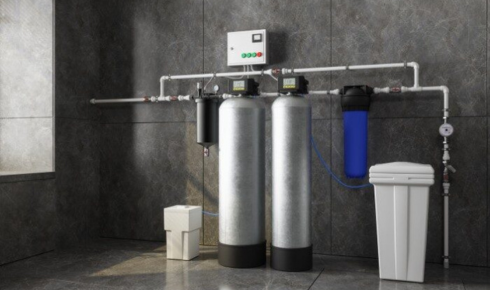
Here’s the deal: water softeners replace the minerals that make water “hard” with ones that don’t cause scale. It’s kind of like swapping out bad roommates for ones who clean up after themselves.
For Arizona homeowners, water softeners in Arizona have quickly gone from “nice-to-have” to “how-did-I-live-without-this.” They’re installed in thousands of homes, saving people from the constant cycle of cleaning mineral deposits and replacing worn-down appliances.
Imagine longer-lasting water heaters, shinier dishes, soap that actually lathers, and skin that doesn’t feel like it’s been exfoliated with sandpaper. That’s what a good water softening system can bring.
Not All Softening Is Created Equal: Know Your Options
There’s more than one way to soften water, and knowing your options can help you avoid overspending or buying into marketing hype.
- Salt-Based Softeners – These use ion exchange to replace calcium and magnesium with sodium or potassium. They’re super effective but require maintenance (like refilling salt).
- Salt-Free Conditioners – These don’t technically “soften” water, but they help condition it to reduce scaling. Ideal if you’re concerned about sodium or environmental impact.
- Magnetic and Electronic Descalers – These devices claim to alter how minerals behave. Reviews are mixed, but some users swear by them.
Ultimately, the best choice depends on your specific needs, budget, and local water quality.
The Hidden Costs of Doing Nothing
Sure, you could live with hard water. Many people do. But what’s the trade-off?
Think about how much you’re spending to replace showerheads, clean your coffee maker, or rewash your dishes. Not to mention the long-term damage to your water heater, which may silently be burning through energy as scale thickens inside its tank.
And if you’re a fan of skincare routines? Hard water laughs in the face of moisturizers. The minerals can clog pores and strip natural oils, making all those expensive serums feel… kind of useless.
Hard water scale reduction isn’t just about convenience—it’s about long-term savings, comfort, and home value.
Professional vs. DIY: The Case for Getting It Done Right
So you’ve decided to install a water softener. Great! But here’s where it gets real: installation isn’t always a cakewalk. You’ve got plumbing hookups, drain lines, bypass valves… stuff that, let’s face it, most of us would rather not mess with.
That’s where professionals come in.
Professional water softener installation means the job gets done right the first time—no guesswork, no leaks, and no regrets. A certified installer can also help you choose the right system for your home, set it up to code, and show you how to maintain it.
You wouldn’t perform your own dental work, right? Same concept.
Living the Soft Life: What to Expect After Installation
So, what happens after your water softener is up and running?
First, your soap starts acting like it got a promotion—more bubbles, less effort. Then, your laundry feels softer. Your skin? It actually stays hydrated after a shower. And your appliances? They quietly start thanking you with better performance and longer life.
Some homeowners even report needing less detergent and shampoo because softened water improves lather and rinse cycles. That means ongoing savings and fewer trips to the store.
And for folks selling their homes? A water softener system can be a subtle but solid upgrade that appeals to savvy buyers.
Final Thought: Don’t Let Hard Water Win
Living in Arizona means dealing with heat, dust, and yes—mineral-heavy water. But it doesn’t have to be a constant battle. Whether you’re in Phoenix, Flagstaff, or somewhere in between, installing a water softener can be a smart investment for your home, your health, and your wallet.
Don’t wait for the scale buildup to take a toll on your appliances—or your sanity. Take the proactive route, learn about your local water quality, and explore softening solutions that fit your lifestyle.
In a dry state like Arizona, it’s all about making water work for you—not the other way around.

